Twelve Months on Utah Rock: A Climber's Guide to Sending Year-Round
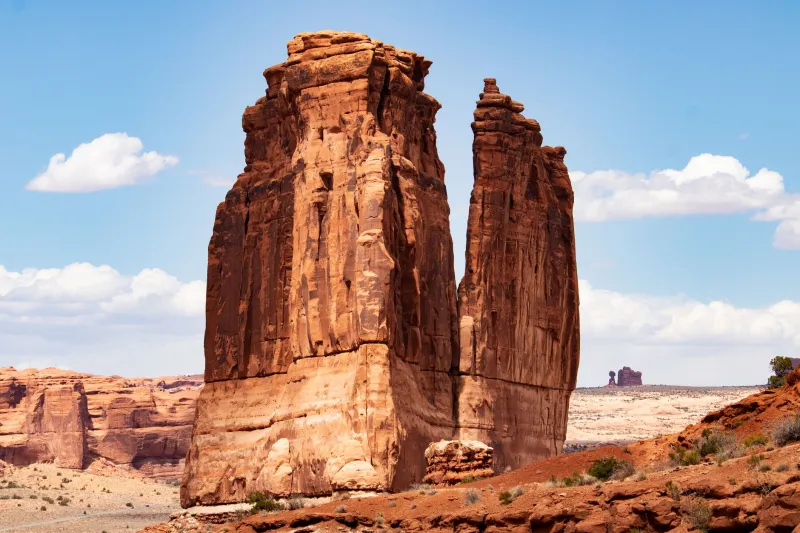
Most climbers think of Utah as a spring-and-fall destination. Show up in March, crush some desert classics, disappear before the heat arrives. Come back in October. Repeat. That's a fine strategy if you only want two seasons. But Utah is one of the rare places in the country where a little geographic flexibility turns a two-season climbing trip into a twelve-month adventure.
The state's elevation swings are almost absurd. You can stand on a sandstone tower at 4,000 feet in the desert and look north toward alpine crags sitting above 10,000. That kind of vertical range means that while one zone is baking, another is just coming into prime condition. Here's how the calendar actually breaks down.
January and February: Desert Season Peaks
Winter is prime time in Utah's low-elevation desert zones. Moab, the San Rafael Swell, and the St. George area all see mild daytime temperatures — often in the 50s — and nearly zero crowds. The friction on sandstone is excellent in cold, dry air, and the light during short winter days is genuinely beautiful.
The catch? Morning shade can keep walls cold and slick for hours. Plan your approach around sun exposure. South-facing routes warm up fast; north-facing walls might stay cold enough to be unpleasant all day. Ice is also a real concern on approach trails after any precipitation. That said, if you're chasing moderate desert classics and you want to avoid the spring circus, January and February are legitimately great months to go.
St. George in particular is underrated as a winter destination. Wall Street, the Black Rocks, and the sandstone around Snow Canyon State Park offer quality climbing within easy driving distance of town amenities.
March and April: The Desert's Sweet Spot
This is when Utah's reputation gets earned. Temperatures in the desert are nearly perfect — warm enough to climb comfortably in a t-shirt by midday, cool enough that you're not cooking on south-facing walls. Indian Creek, one of the country's best crack climbing destinations, hits its stride in late March and carries strong conditions through April.
Expect crowds. This is peak season for a reason, and the parking areas at popular zones fill up fast on weekends. If you're flexible on timing, weekday visits make a noticeable difference. Shoulder weeks in late March and early April tend to be less packed than the heart of spring break season.
The Moab area — including Wall Street, the Tombstone, and the towers around Castle Valley — is excellent through April. Fisher Towers, one of the most visually dramatic climbing areas in the American West, is worth building an entire trip around this time of year.
May: Transition Month
May is a hinge point. Lower desert zones start heating up quickly, and by mid-month the temperatures in Moab can push into the 90s. The window narrows, but it doesn't close entirely. Early starts and evening sessions can still yield great climbing in the desert through May, especially on north-facing walls.
At the same time, higher-elevation zones start opening up. Areas above 6,000 feet — think the sandstone around Capitol Reef and the limestone sport crags around Maple Canyon — start seeing consistent conditions. May is a good month to scout mid-elevation zones you want to develop for summer.
June, July, and August: Head Uphill
Summer in the Utah desert is genuinely hostile for climbing. Heat, UV exposure, and soft rock on sandstone make low-elevation zones a bad idea from late June through August. But this is where Utah's elevation diversity pays off completely.
The Wasatch Range, which runs directly behind Salt Lake City, offers excellent granite sport and traditional climbing through summer. Little Cottonwood Canyon is particularly well-developed, with routes ranging from beginner-friendly slabs to serious multi-pitch objectives. The canyon's east-facing walls get morning shade, making early starts comfortable even on hot days.
The Uinta Mountains in northeastern Utah are another summer standout. Remote and undervisited by climbing standards, the Uintas have alpine granite above 10,000 feet that stays climbable all summer. You're combining a fishing trip and a climbing trip up there, which fits Utah perfectly — pack a fly rod alongside your rack.
Monsoonal moisture arrives in July and can bring afternoon thunderstorms, particularly at elevation. Get your climbing done in the morning and keep an eye on the sky. Lightning above treeline is not something to gamble with.
September and October: The Other Sweet Spot
If spring is Utah's first climbing season, fall is arguably better. September brings cooling temperatures back to the desert, and by early October the sandstone zones are back in prime condition. Indian Creek in October is one of the great climbing experiences in the country — golden light, cool mornings, and the canyon walls turning amber and rust.
Fall also brings better crowd management than spring. The summer tourists have thinned out, and while the climbing community knows about fall season, it doesn't pack the same punch as the March-April rush. You'll have more space.
The Wasatch stays climbable well into October, often through the end of the month at lower elevations. Higher alpine zones start seeing early snow by mid-October, so check conditions before committing to anything above 9,000 feet late in the season.
November and December: Back to the Desert
As temperatures drop again, the desert reopens. November is a genuinely underrated climbing month in Utah — the summer crowds are long gone, the weather is stable, and daytime highs in the desert still reach the 50s and 60s on clear days.
December gets colder and shorter, but motivated climbers who pick their days carefully can find excellent conditions in the St. George area and in sheltered canyon zones around Moab. The solstice months reward flexibility and patience. If a warm front moves through, be ready to go.
A Few Things Worth Knowing
Utah's desert sandstone is fragile when wet. Many areas — Indian Creek included — post specific guidelines asking climbers to stay off the rock for 24 to 48 hours after rain. Wet sandstone breaks holds and damages the rock surface. Respect those guidelines; they protect routes that have been climbed for decades.
Permits and access agreements are increasingly common at popular Utah crags. The American Alpine Club and the Access Fund both maintain updated access information. Check before you go, especially at high-traffic areas.
And if you're building a Utah climbing road trip, consider layering it with other activities. The state's reservoir fishing, slot canyon hikes, and river corridors all occupy the same geographic zones as the climbing areas. A week in canyon country that combines early-morning climbing with afternoon fishing or an evening float is one of the better ways to experience what Utah actually has to offer.
The calendar is full. You just have to be willing to move around.