After Dark on the Water: Chasing Walleye and Catfish Through Utah's Warm Summer Nights
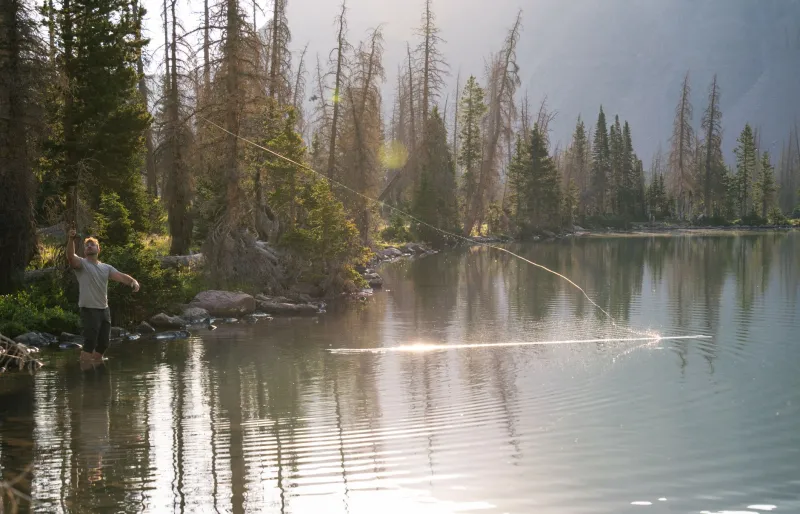
Most people think of Utah fishing as a daylight sport — early morning hatches, midday nymphing, maybe a golden-hour dry fly session before packing it in. And sure, that's a great way to spend a day. But if you've never fished Utah after dark, you're missing a completely different experience. One that's quieter, a little wilder, and — depending on the species you're after — often far more productive.
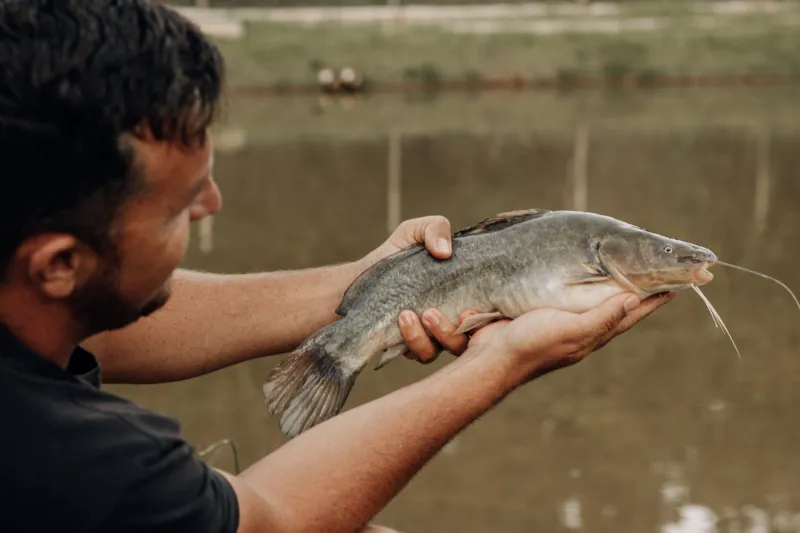
Warm-water species like walleye and channel catfish don't follow the same rulebook as trout. When summer water temps climb and daytime fishing slows to a crawl, these fish come alive after sunset. They're built for it. Walleye have those distinctive tapetum lucidum eyes — basically built-in night vision — that give them a serious predatory edge in low-light conditions. Catfish rely on scent and lateral line sensitivity that makes darkness completely irrelevant to them. For both species, nighttime isn't a handicap. It's prime time.
Where to Go: Utah's Best After-Dark Fisheries
Flaming Gorge Reservoir sits at the top of most serious warmwater anglers' lists for good reason. The walleye population here has grown steadily over the past decade, and the fish tend to move shallow along rocky points and submerged ledges once the light fades. The Utah-Wyoming border section of the reservoir sees less pressure than the southern arms, which makes it a solid choice if you want some breathing room.
Powder Mountain and Willard Bay Reservoir — just north of Ogden — are sleeper picks that consistently produce channel catfish through the summer and into early fall. Willard Bay in particular has earned a quiet reputation among locals who've figured out that a simple cut-bait rig fished near the bottom after 10 p.m. can produce limits that would make a daytime angler's jaw drop.
The Green River below Flaming Gorge Dam also deserves a mention, though it runs cold from the dam releases. Head downstream toward the Jensen area and the water warms up considerably. That stretch holds catfish year-round, and summer nights along the cottonwood banks are about as peaceful as Utah fishing gets.
Lake Powell, despite its shifting water levels in recent years, still holds walleye in its upper reaches near the Hite area. It's a longer drive and requires some trip planning, but anglers willing to put in the effort report exceptional night bites during July and August.
Gear That Actually Works After Dark
Night fishing isn't complicated, but it does require a few specific adjustments to your setup.
For walleye, stick with lures that create vibration or have built-in rattles — the fish are using their lateral lines as much as their eyes, even with that natural night vision. Jigs tipped with paddle-tail swimbaits in chartreuse or white work well because they're visible in whatever ambient light exists from the moon. Crankbaits that run in the 8-to-12-foot range are excellent for covering water along drop-offs and submerged structure. Don't overlook inline spinners either; the flash and thump of a Rooster Tail or similar blade bait can be deadly when worked along rocky shorelines.
For catfish, simplicity wins. Heavy monofilament or fluorocarbon in the 20-to-30-pound range, a circle hook, and fresh cut bait — shad, carp, or even chicken liver — is a proven combination. Use enough weight to hold bottom in current, cast to the deepest water you can reach from shore or your boat, and wait. Patience is the whole game with cats.
Headlamps are non-negotiable. Go with red-light mode whenever possible to preserve your night vision and avoid spooking fish in shallow water. A good headlamp with a long battery life is worth every penny — fumbling with hooks and knots in the dark with a dying flashlight is nobody's idea of a good time.
A net with a rubber basket makes landing fish in the dark significantly less chaotic. Same goes for a lip gripper if you're targeting walleye — those teeth are no joke, and handling fish by feel in low light is how people get stuck.
Safety and Legal Basics You Can't Skip
Utah allows night fishing at most public waters, but regulations vary by specific location and species, so check the current Utah Division of Wildlife Resources rules before you go. Some special regulation waters have restricted hours or specific gear limitations. It takes five minutes to look it up and can save you a hefty fine.
If you're fishing from a boat after dark, federal law requires running lights — fore, aft, and sides. This isn't optional, and more importantly, it's genuinely dangerous to run a boat on a big reservoir in the dark without proper lighting. Other boaters won't see you, and the consequences can be catastrophic.
Wear a life jacket. Always, but especially at night when a fall overboard is harder to recover from. Cold water shock is real even in summer on deeper reservoirs, and visibility for any would-be rescuers is essentially zero.
Tell someone where you're going and when you plan to be back. Night fishing on remote sections of the Green River or the upper arms of Flaming Gorge puts you in areas with spotty cell service. A simple text to a friend or family member before you launch is common-sense insurance.
Making the Most of the Experience
Here's the thing about night fishing that nobody really talks about enough: it's genuinely fun in a way that's hard to explain until you've done it. There's something about sitting on the edge of a Utah reservoir at midnight, the canyon walls black against a sky full of stars, listening to coyotes somewhere in the distance, and feeling that rod tip load up with a heavy walleye — it's its own kind of experience.
Bring layers. Utah nights cool down fast, even in July, especially near the water. A thermos of coffee, a good camp chair, and a little patience go a long way toward making the whole thing feel less like an ordeal and more like the adventure it actually is.
Plan for a slower pace. Night fishing rewards anglers who settle in and let the fish come to them rather than burning energy covering water. Pick your spot based on structure — points, channel edges, submerged brush — set up thoughtfully, and give it time before moving.
Utah's daytime fishing reputation is well-deserved. But the state's after-dark warmwater scene is a whole chapter that most visitors never even open. Cast off after sunset sometime this summer and see what you've been missing.