Clock Out, Cast In: Why Tuesday Might Be Utah's Best Fishing Day
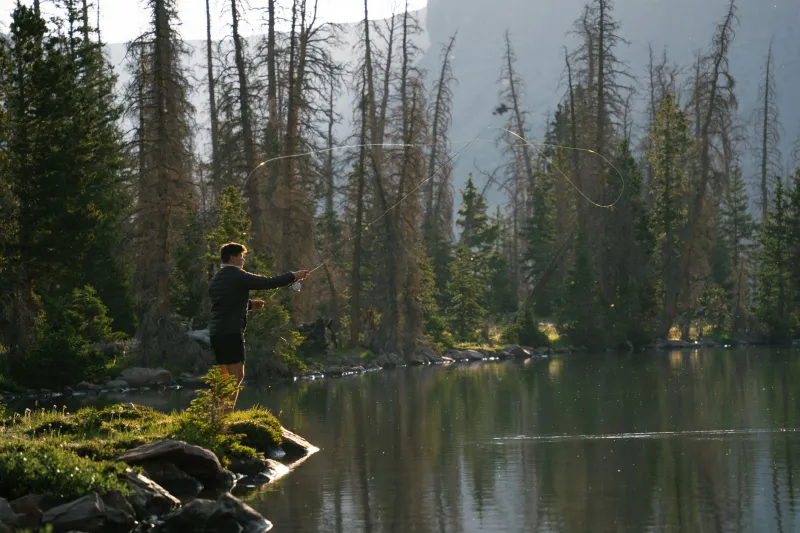
There's a version of the Green River that most anglers have never seen. The one without the drift boats stacked three deep at Little Hole. The one where you can work a seam for twenty minutes without someone floating through your presentation. The one where the fish are actually eating because they haven't been cast at sixty times since Friday.
That river exists. It just shows up on Tuesdays.
It sounds obvious when you say it out loud—fewer people means less pressure, less pressure means more fish, more fish means better days. But the logistics of actually making it happen stop most people cold. Jobs, school schedules, family obligations. The weekend is when you fish because the weekend is when you're free. Except that logic is costing you catches, and a lot of them.
What Pressure Actually Does to a Fishery
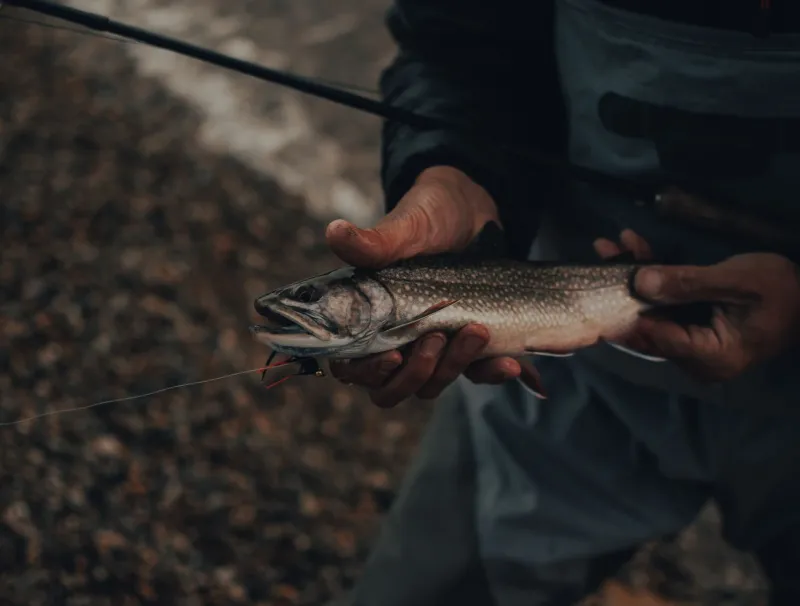
Fish aren't dumb. They're not running spreadsheets, but they do learn. On heavily trafficked Utah waters like the Provo River, the Logan River, and the Green's famous A-section, fish that get worked over from Friday evening through Sunday afternoon develop what guides sometimes call "lockjaw." They're not spooked in the way a deer bolts from a hunter—they just stop responding to presentations that don't feel exactly right.
Brandon Whitfield, a fly-fishing guide out of Vernal who's been running clients on northeastern Utah streams for over a decade, puts it plainly: "By Sunday afternoon on a busy weekend, the fish have seen every midge pattern in the book. They've been caught and released four, five, six times in two days on some of these stretches. Come back Monday morning and it's a completely different game. They've had one night to settle and they're back on the feed."
Beyond the fish behavior itself, weekend crowds change the physical conditions of a river. More wading means more disturbed substrate, more silt kicked up, more algae scraped loose. On smaller streams especially, a Saturday of heavy foot traffic leaves the water looking like it's recovering from something. By Tuesday, it's usually back to normal.
The Logistics Are More Doable Than You Think
Here's where most anglers stop reading—because taking a Tuesday off work sounds like a fantasy. And for some people, it genuinely is. But for a surprising number of Utah anglers, it's more achievable than they've allowed themselves to consider.
Remote work flexibility, PTO that tends to pile up unused, compressed four-day workweeks, or simply planning a single "mental health day" around a weather window—these are real options for a lot of people. The mental shift required is less about logistics and more about permission. We've been conditioned to treat weekday recreation as somehow frivolous, like we're playing hooky even when we've earned the time.
Just ask the retirees who show up at Strawberry Reservoir on a Wednesday in October. They're not apologizing to anyone.
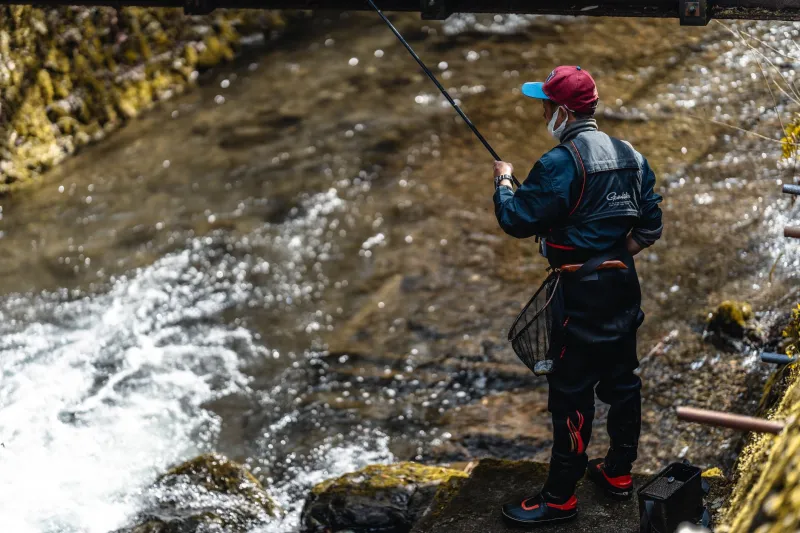
If a full day feels like too big a commitment, consider the weekday half-day. Plenty of Utah's best tailwater fisheries are accessible before 9 a.m. and after 4 p.m. on weekdays. The Green River below Flaming Gorge Dam fishes beautifully in the early morning hours when the boat ramp is empty and the mist is still sitting on the water. Hit it by 6 a.m. on a Thursday and you might have a mile of prime water entirely to yourself.
Which Waters Transform the Most
Not every fishery changes dramatically Monday through Friday. Remote backcountry lakes that require a six-mile hike are already self-selecting for low traffic—the weekend warrior crowd isn't going to bother. But certain high-traffic destinations undergo a near-complete personality change when the weekend ends.
The Green River (A and B Sections): Arguably the most dramatic transformation on the list. This is one of Utah's premier tailwaters, and it earns that reputation by getting absolutely hammered on weekends from March through October. Show up on a Tuesday and the difference is almost disorienting. Guides report significantly higher dry-fly success midweek simply because fish haven't been disturbed.
Strawberry Reservoir: Utah's trophy trout fishery draws serious anglers from across the region, and the boat ramp situation on summer weekends can be genuinely chaotic. Midweek, the reservoir quiets down to a handful of dedicated regulars. The fish don't know what day it is, but your ability to work structure without competing for position improves dramatically.
The Provo River (Middle Fork): This stretch runs through Heber Valley and sees heavy pressure from the Wasatch Front crowd. It's close enough to Salt Lake City that weekend warriors treat it like a neighborhood park. Midweek, you're fishing a fundamentally different river—quieter, cleaner, and far more forgiving of imperfect presentations.
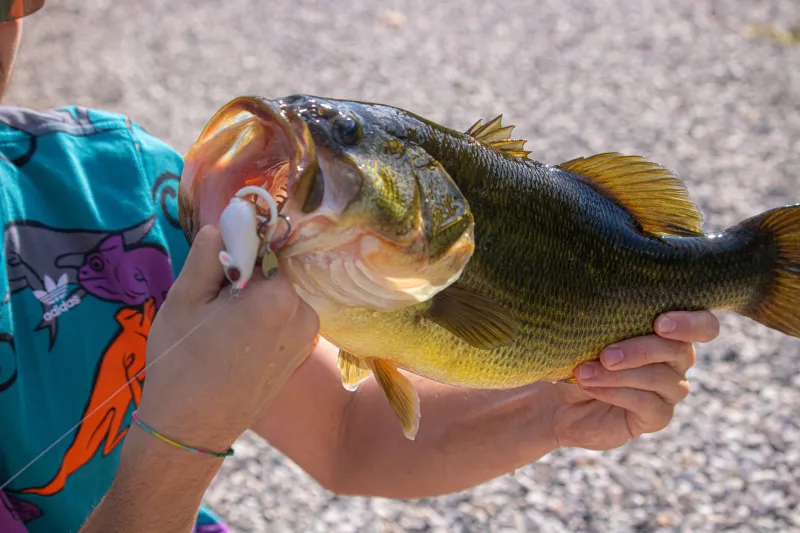
Pineview Reservoir: Popular with bass anglers in summer, Pineview turns into a jet ski convention on hot weekends. Weekday bass fishing here, particularly in the morning hours, is a completely different experience.
The Mental Shift Is the Real Work
Guide Brandon Whitfield says the clients who consistently catch the most fish aren't the ones with the best gear or the most technical skills—they're the ones who've given themselves permission to be flexible. "The guys who show up when conditions are right, not just when it's convenient on the calendar, those are the guys who have good stories to tell."
There's something almost meditative about midweek fishing that weekend fishing doesn't offer. The parking lot isn't a competition. The water isn't a performance. It's just you and whatever's rising, without an audience.
Utah's fishing is legitimately world-class. But world-class fishing shared with a hundred other anglers is a different thing entirely from world-class fishing on a quiet Tuesday when the rest of the world is in a meeting.
Clock out. Cast in. The fish have been waiting.