Years in the Making: The Obsessive Art of Hunting Utah's Legendary Trophy Fish
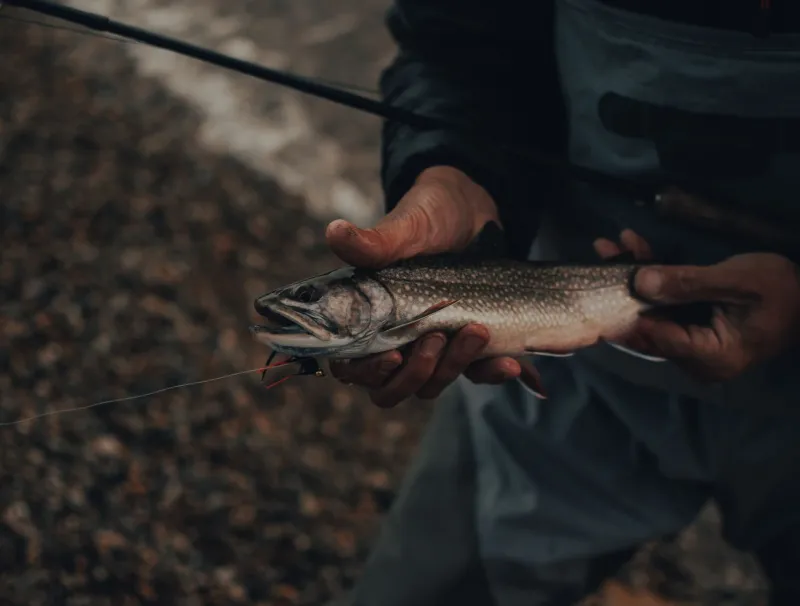
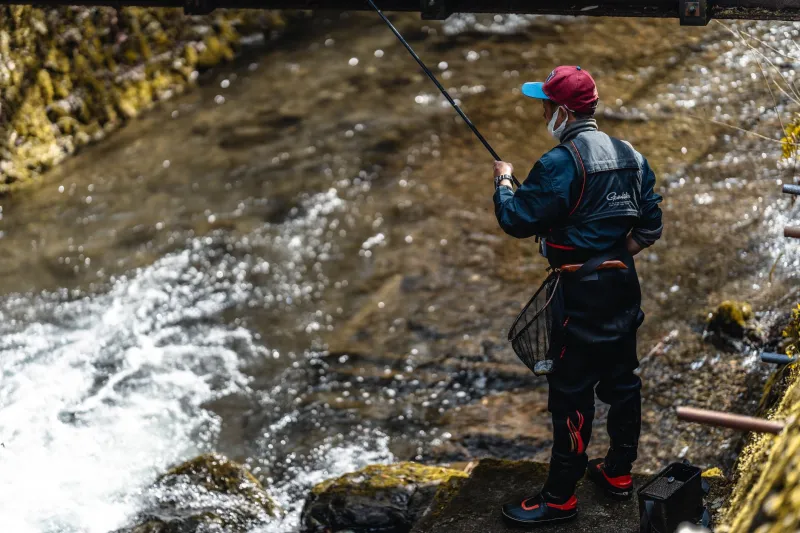
Dave Kimball has been fishing Starvation Reservoir for eleven years. He knows the depth contours by memory. He can tell you what the walleye were doing in October of 2019 based on water temperature and moon phase data he keeps in a spiral notebook. He's caught hundreds of walleye from that reservoir, some of them genuinely impressive fish.
But there's one he hasn't caught yet.
"I've seen it on the sonar three times," he says, not with frustration but with the particular calm of someone who has made peace with a very long game. "I know what it eats. I know roughly where it goes in July. I just haven't been in the right place at the right time with the right presentation. Yet."
That word—yet—is the entire psychology of trophy fishing in Utah.
Why Utah Produces Fish Like This
Utah's fisheries are unusual in ways that matter enormously to trophy hunters. The state's combination of high-altitude alpine lakes, deep cold reservoirs, and warm desert impoundments creates wildly different ecosystems within a few hours' drive of each other. Each of those ecosystems produces fish that grow old and large under very different conditions.
In the Uinta Mountains, cutthroat trout in remote, lightly fished lakes can live for a decade or more. They grow slowly in cold, nutrient-poor water, which means a genuinely large alpine cutthroat represents an enormous investment of time—both the fish's and yours. These aren't fish that got big because the conditions were perfect. They got big because they survived everything: drought years, harsh winters, osprey, and occasional pressure from the handful of anglers willing to pack in far enough to reach them.
At Flaming Gorge, lake trout and trophy brown trout operate in a completely different register. The reservoir's depth—reaching nearly 400 feet in places—creates thermal stratification that allows truly ancient fish to exist in zones that most anglers never effectively fish. Guide Ryan Taggert, who has worked Flaming Gorge for over a decade, puts it plainly: "The fish that have survived long enough to be genuinely legendary in that reservoir have done it by being in places and doing things that most anglers aren't set up to target. They're not hiding. They're just living in a part of the water column that requires specialized gear and real patience."
The Psychology of the Long Hunt
There's a meaningful difference between fishing for big fish and hunting a specific fish. The distinction sounds semantic but it isn't. Fishing for big fish means optimizing your technique, timing, and location to maximize your chances of encountering a trophy-class specimen. It's a numbers game played at a high level.
Hunting a specific fish is something else entirely. It requires building a detailed behavioral profile over time—understanding seasonal patterns, feeding windows, response to pressure, and the subtle ways a single fish's behavior differs from the population around it. It requires record-keeping that most anglers find tedious and a willingness to log unproductive trips as data rather than failures.
Kimball keeps his spiral notebook because he learned early that memory is unreliable over the timescales trophy fishing requires. "Three years ago, I thought I remembered exactly what the conditions were when I saw that fish on the sonar. Turned out I was off by almost a month on the date and completely wrong about the depth. The notebook fixed that."
Local guide and longtime Utah fishing obsessive Carla Montoya, who pursues trophy largemouth bass on Utah Lake and several smaller impoundments in the central part of the state, describes the mental framework differently. "You have to be genuinely okay with not catching it," she says. "Not resigned to it—okay with it. There's a difference. If you're out there white-knuckling every trip because you need to catch that fish, you're going to make bad decisions. You'll push too hard, fish too fast, spook it. The best trophy hunters I know are relaxed. They're curious. They treat every trip like research."
Techniques Built for the Long Game
The tactical side of trophy hunting in Utah varies enormously by species and ecosystem, but a few principles cut across all of them.
Slow down more than feels comfortable. Most anglers fish too fast for trophy-class fish. Older, larger fish are deliberate. They don't chase. They evaluate. A presentation that moves through their strike zone before they've finished deciding is a missed opportunity. This is especially true for the oversized bass Montoya targets—fish that have been caught and released before and have developed a measurable wariness about anything that moves at a pace that doesn't match their natural prey.
Fish the transition times obsessively. Dawn and dusk are obvious, but the real trophy windows are often the transitions between seasons—early ice-off on alpine lakes, the first serious cold front of fall on reservoirs, the two-week window in late spring when desert bass move from deep structure to shallow spawning areas. These transitions disrupt established patterns and briefly make otherwise uncatchable fish vulnerable.
Reduce your footprint. Trophy fish in pressured water—and almost all of Utah's best fisheries see significant pressure—are acutely sensitive to anything that doesn't belong. Lighter line, longer leaders, quieter approaches, and fewer casts in a single session all matter more than most anglers want to believe. Taggert fishes heavier fluorocarbon than most guides recommend for Flaming Gorge browns specifically because the abrasion resistance lets him work structure quietly without retying constantly. "Every time you retie, you're making noise, moving around, disturbing the water. That stuff adds up."
What Happens When It Finally Works
Ask any serious trophy hunter in Utah what the moment of the catch actually felt like, and the answers are remarkably consistent: anticlimactic, overwhelming, and over too fast.
"I've thought about that fish for years," Montoya says about a 9-pound largemouth she finally landed after three seasons of targeted pursuit. "And then it was on the bank and I just sat there. I didn't even know what to do with myself. I took one picture and put it back."
That's the thing about the long game. The fish is almost beside the point by the time you catch it. What you've actually built—the knowledge, the discipline, the relationship with a specific piece of water—that's what stays with you.
The fish goes back. The obsession, usually, doesn't.