Stake Your Claim: How to Build the Perfect Base Camp Around Utah's Remote Desert Reservoirs
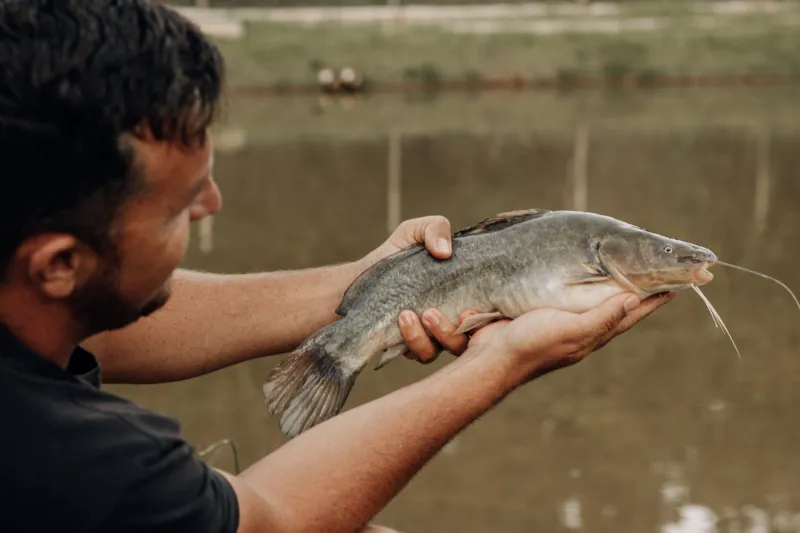
There's a specific kind of satisfaction that comes from pulling a bass or walleye out of a reservoir that most people have never heard of — water that doesn't show up on fishing highlight reels, doesn't get crowded on holiday weekends, and doesn't have a paved boat ramp with a snack shack nearby. Utah has more of these places than most anglers realize. The challenge isn't finding them. The challenge is staying comfortable enough, long enough, to actually fish them well.
That's where base camp strategy comes in.
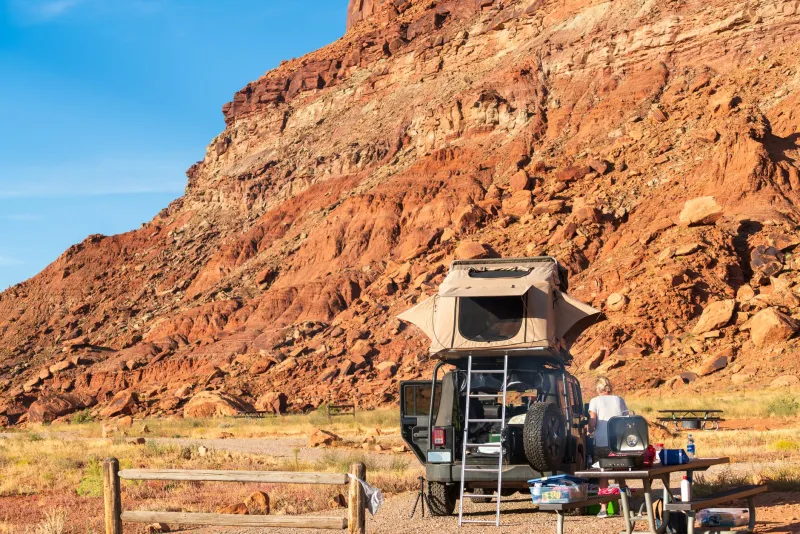
Setting up a functional multi-day camp around a remote Utah reservoir is its own skill set — one that sits somewhere between casual car camping and full backcountry expedition planning. Get it right and you've got a home base that lets you fish hard from dawn to dusk for three or four days straight. Get it wrong and you're burning half your fishing hours hauling water, fighting the wind with a collapsed tent, or driving back to town for gear you forgot.
Here's how to do it right.
Picking Your Spot Before You Ever Leave Home
Site selection is everything, and it starts long before you load the truck. Pull up satellite imagery — Google Earth, onX Maps, or CalTopo all work well — and study the reservoir's shoreline carefully. You're looking for a few things at once: elevated ground that keeps you above flash flood zones, natural windbreaks like rock outcroppings or canyon walls, and reasonable proximity to the water without camping so close that you're dealing with muddy banks or fluctuating water levels creeping under your tent.
Utah's desert reservoirs are notorious for dramatic water level swings, especially in late summer. A campsite that looks perfect in June can be sitting on cracked, exposed lakebed by August. Check recent water level reports through the Utah Division of Water Resources before you commit to a spot, and give yourself a healthy buffer from the waterline.
Also pay attention to road access. Many of the best reservoirs in the region — places like Scofield, Piute, and Millsite — have some degree of dirt road access that can turn dicey after rain. Know your vehicle's limits and have a backup plan.
Water, Wind, and the Desert Sun
The desert is not subtle. It will bake you, blast you, and dry you out faster than you expect. Your camp setup needs to account for all three.
Shade is non-negotiable if you're camping in July or August. Natural shade from canyon walls or large boulders is ideal, but if you're setting up in open terrain, a quality shade tarp rigged between your vehicle and a couple of trekking poles or collapsible poles can make midday camp life genuinely comfortable instead of miserable. Orient your tent so the entrance faces away from the prevailing wind — in most of Utah's high desert, that means paying attention to afternoon westerlies that can turn a pleasant morning into a full-on sandblasting session by 2 p.m.
Water is the big one. Most remote reservoirs don't have potable water infrastructure, so you're either hauling it in or treating it on-site. For a two- to four-person camp over three or four days, plan on at least a gallon per person per day for drinking and cooking — more if temperatures are pushing into the 90s. A quality gravity filter like a Sawyer Squeeze or MSR Guardian gives you backup capability from the reservoir itself, but reservoir water in late summer can carry algae blooms, so check current conditions before relying on it as your primary source.
Gear That Actually Earns Its Weight
You're not backpacking, so you don't have to obsess over ultralight everything — but you also don't want to show up with a car full of gear that makes you feel like you're setting up a suburban backyard. The sweet spot for desert reservoir camping is purposeful efficiency.
A few items that consistently earn their place on these trips:
A quality cooler with real ice retention. You're going to catch fish — hopefully — and you need somewhere to keep them. Yeti, RTIC, and Pelican all make coolers that'll hold ice for three-plus days in desert heat if you pre-chill them and pack them correctly. Block ice outperforms cubed ice significantly in high-heat conditions.
A freestanding shelter with real stakes. Cheap tent stakes will not hold in sandy desert soil when the afternoon wind kicks up. Bring sand anchors or wide-blade stakes, and guy out your rain fly even if the forecast looks clear. Desert weather shifts fast.
A portable camp table and low-profile chairs. Sounds basic, but having a dedicated prep surface for rigging tackle, cleaning fish, and cooking makes a genuine difference over three or four days. You'll thank yourself on day two.
A headlamp with a red-light mode. Early morning and late evening are prime fishing windows at most desert reservoirs, and navigating camp in the dark is just part of the deal. Red light preserves your night vision and keeps you from waking your whole camp at 4:30 a.m.
Wildlife Considerations You Can't Ignore
Utah's desert reservoir country is active wildlife habitat. Depending on where you're camped, you may be sharing the neighborhood with rattlesnakes, coyotes, and the occasional black bear in higher-elevation reservoir areas. None of this should scare you off — it's part of what makes these places feel alive — but it does require some basic habits.
Store all food in hard-sided containers or a locked vehicle, not in a soft cooler left outside overnight. Shake out boots and waders before putting them on each morning — rattlesnakes and scorpions both have a habit of finding warm, dark spots. Walk with intention around rocky shorelines, especially in the early morning when snakes are warming up.
Mosquitoes and gnats can be brutal near reservoir edges at dawn and dusk, particularly through June and early July. A head net weighs almost nothing and will save you from a genuinely miserable experience during prime fishing hours.
Fishing From a Fixed Base: Making It Work
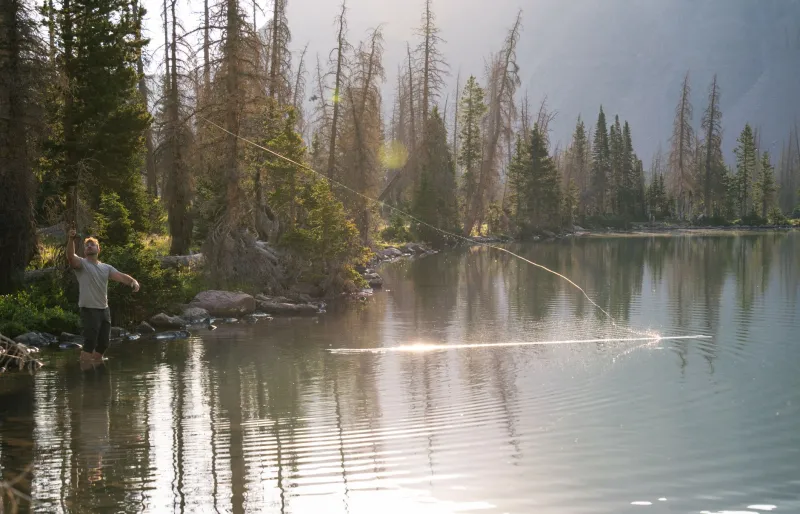
The real advantage of a well-placed base camp is that it lets you fish smarter instead of just longer. Rather than burning time driving between access points, you can spend your mornings reading the water from a single location, dialing in where the fish are holding at different times of day, and adjusting your approach accordingly.
Most Utah desert reservoirs have distinct morning and evening feeding windows, with midday fish moving deeper to escape surface heat. Use your midday downtime productively — rest, rig new setups, study the shoreline structure for evening spots, or just sit in the shade and enjoy the fact that you're somewhere most people never bother to go.
A kayak or packraft dramatically expands your range from a fixed camp, letting you reach structure and coves that bank anglers can't touch without committing to a full boat launch. Even a basic inflatable kayak strapped to the roof of your vehicle opens up a different tier of fishing opportunity at most of these reservoirs.
The Payoff Is Real
Utah's remote desert reservoirs don't ask much of you. Mostly they just ask that you show up prepared — with enough water, a solid camp, and the patience to fish water that hasn't been pressured all week. In return, they offer the kind of fishing experience that's getting harder to find anywhere in the American West: space, quiet, and fish that haven't seen a lure since the last time someone bothered to make the drive.
That's worth a little extra planning.