See the Climb Before You Touch It: A Field Guide to Visual Scouting Utah Rock
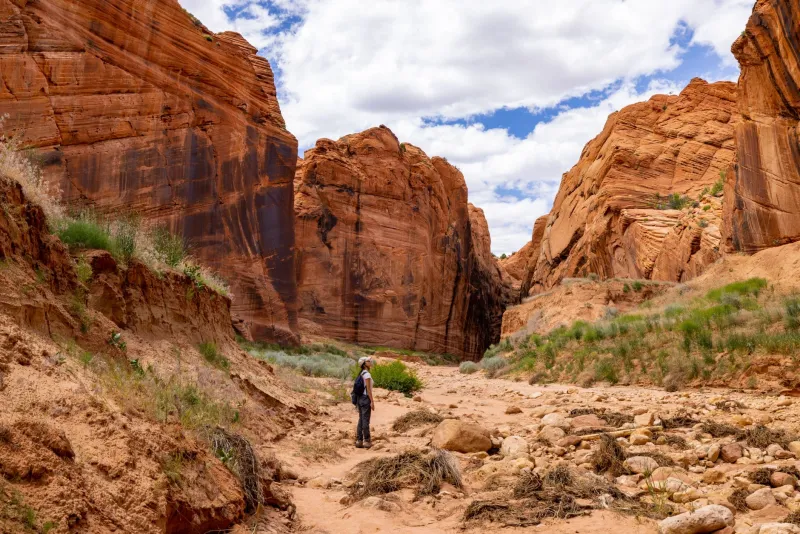
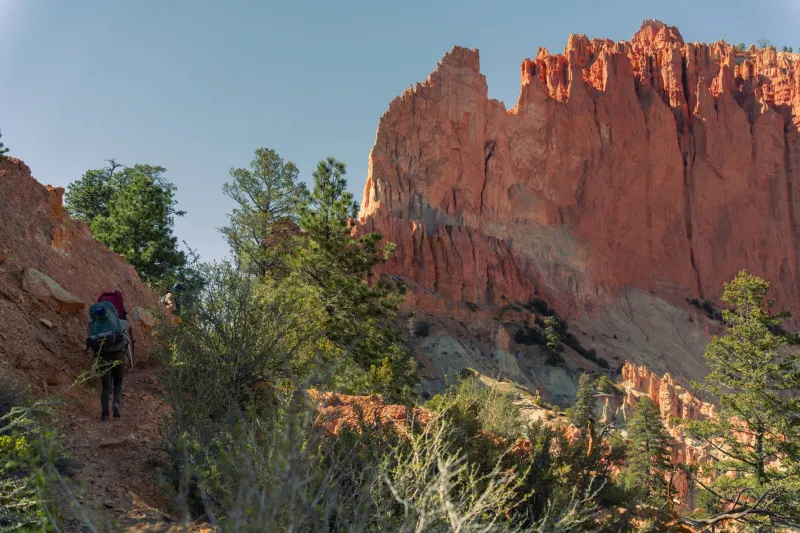
The first time you really read a piece of rock—not just look at it, but actually read it—something clicks that's hard to un-click. You start seeing lines where other people see a cliff. You notice where water runs, where the stone changes color, where a feature that looks solid from below might be undercut or hollow. You start doing the climb in your head before your feet leave the ground.
This is a skill. It's learnable. And in Utah, where the rock ranges from bomber Wingate sandstone to crumbling desert choss to the glassy granite of the Wasatch, developing a sharp eye for visual reconnaissance isn't just useful—it's genuinely protective.
Why Scouting Matters More in Utah Than Almost Anywhere Else
Utah's climbing landscape is staggering in its variety, and that variety is exactly what makes visual scouting so critical. A technique that works on the quartzite ridges above Salt Lake City will get you in serious trouble on the softer desert towers around Moab. Rock that looks climbable from the highway might be a crumbling mess up close. Conversely, walls that look blank and featureless from a distance sometimes reveal intricate systems of edges and pockets once you're within fifty feet.
The state's desert geology creates specific hazards that climbers from granite-heavy regions aren't always prepared for. Desert varnish—that dark, glossy coating on sandstone walls—can look like solid rock and behave like a veneer over nothing. Hollow flakes are common on certain formations. Features that survived winter intact may have shifted after a wet spring. None of this is visible from a parking lot without knowing what to look for.
Start With the Maps (Long Before You Leave Home)
Good scouting starts at your desk, not at the trailhead. The combination of USGS topographic maps and satellite imagery has made pre-trip reconnaissance more powerful than it's ever been, and most climbers are still using these tools at maybe twenty percent of their potential.
Topo maps tell you the approach story before you've taken a step. Contour lines packed tightly together mean steep terrain—but they don't tell you whether that terrain is climbable or just a scree nightmare. What topos do reveal is the geometry of a formation: where it sits relative to drainages, which direction it faces (critical for sun exposure and afternoon thunderstorm risk in Utah's summer monsoon season), and how complex the approach terrain might be.
Satellite imagery—Google Earth, CalTopo, or Gaia GPS with satellite layers—is where things get genuinely interesting. Learn to identify the visual signatures of different rock types from above. Sandstone formations in canyon country often show distinct banding and erosion patterns. Quartzite ridgelines have a different texture. Dark streaks running down a wall from above usually indicate water drainage, which tells you something about the rock quality in that zone (often worse) and about potential seepage issues after rain.
Look for talus fans at the base of formations. A large, fresh talus field below a wall is a data point—it means rock has been falling, and recently enough that it hasn't been overgrown. That's not automatically a dealbreaker, but it's a flag.
Reading the Rock in the Field
Once you're on the ground, the real reading begins. Give yourself time here. Sitting with binoculars for twenty minutes before you start approaching tells you more than you'll learn in the first hour of climbing.
Color and texture changes in the rock surface are your first vocabulary. Darker patches on sandstone often indicate moisture—either current seepage or recent wetting. On routes where you're depending on friction, wet sandstone is dramatically less grippy and can deteriorate under repeated contact. On limestone (less common in Utah but present in areas like Logan Canyon and the Wasatch), look for calcite streaks that indicate water-polished rock, which can be glassy and unreliable.
Feature continuity is the question you're always trying to answer from below: does this crack system run the full pitch, or does it pinch out forty feet up and leave you committed on blank stone? Binoculars help enormously here. Follow the line you're considering from bottom to top and try to identify potential crux sections, rest stances, and gear placements before you're standing on them.
Rock color uniformity matters more than most beginners realize. Sections of rock that are a noticeably different color from the surrounding stone—particularly lighter patches on otherwise dark desert varnish—can indicate exfoliation zones where the surface layer is separating from the main body. Treat these sections with skepticism until you've tested them.
The Exposure Question
Utah's afternoon weather is its own category of scouting challenge. The desert southwest monsoon pattern, which typically runs July through September, can build thunderstorms with remarkable speed. A wall that's in full sun by 10 a.m. and positioned to catch prevailing weather from the southwest is a wall you want to be off of by early afternoon during monsoon season.
Assessing exposure from below means looking at the formation's relationship to the horizon in the direction of incoming weather. High, isolated towers—like those in the Fisher Towers area or on the Colorado Plateau—are particularly exposed. Walls set back into canyon systems often have more protection. Neither is inherently good or bad, but understanding the exposure profile of a route before you commit to a six-pitch day is the difference between planning and hoping.
Putting It All Together
Visual scouting is cumulative. The more Utah rock you look at—really look at, with purpose and vocabulary—the faster you'll read new formations. Every time you study a wall before climbing it and then compare your pre-climb read to what you actually found, you calibrate your eye.
The climbers who move confidently and efficiently through Utah's varied terrain aren't necessarily stronger than everyone else. They've just done the homework. They've spent time with the maps, they've sat with the binoculars, and they've learned to have a conversation with the rock before the conversation gets physical.
See the climb first. Everything after that is just execution.