One Out, All In: A Practical Playbook for Your First Solo Utah Backcountry Adventure
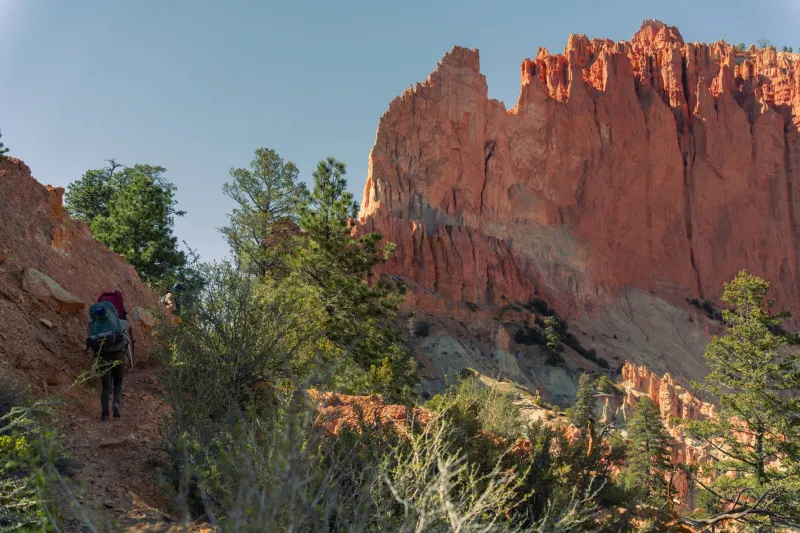
Somewhere between the Instagram posts of solitary climbers on impossible spires and the cautionary tales your uncle tells at Thanksgiving, there's a realistic version of solo backcountry travel in Utah—one that's genuinely achievable, deeply satisfying, and manageable if you approach it honestly.
The operative word is honestly.
Going alone into Utah's desert canyons, alpine zones, or remote reservoir country is not inherently more dangerous than going with a partner. But it does remove every safety net that a second person provides. That changes the math on every decision you make, from the route you choose to the weather window you accept to the moment you decide to push through discomfort versus turn around.
Who This Is Actually For
Let's be direct: this guide is not for beginners. If you haven't spent significant time in Utah's backcountry with experienced partners, developing navigation skills, emergency protocols, and honest self-assessment, solo travel isn't your next step yet.
But if you've been building skills for years, you're comfortable reading terrain and weather, and you've simply reached a point where your schedule, goals, or temperament make solo travel appealing—this is for you. Solo adventurers are one of the fastest-growing segments of the outdoor community, and Utah's terrain offers legitimate solo objectives across climbing and fishing that reward the prepared and humble.
Choosing the Right Objective
The single most important decision you'll make happens before you leave the trailhead. Objective selection is everything.
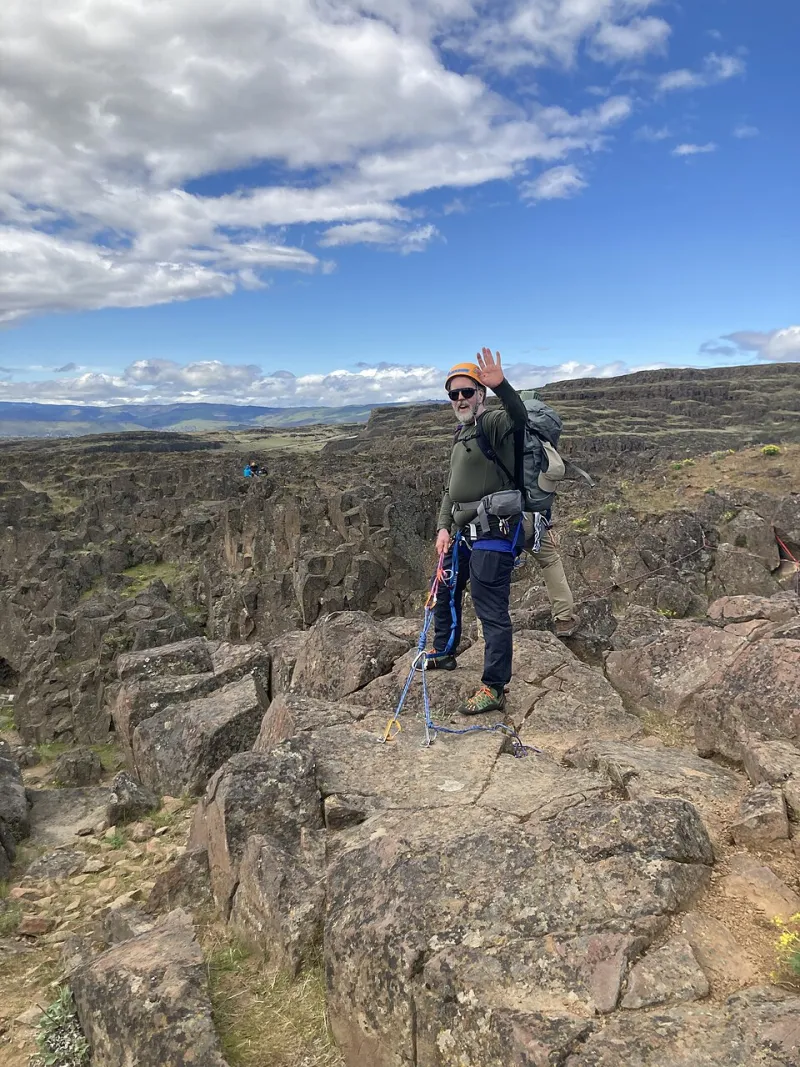
For solo climbers, this means being genuinely honest about your grade ceiling without a partner to catch your mistakes or talk you through a crux. A route you climb confidently with a partner might be a completely different experience when the only voice you hear is your own. Routes with straightforward descents, minimal runout potential, and established protection are your best early solo targets. Utah's canyon country offers dozens of moderate multi-pitch objectives in places like Indian Creek, the San Rafael Swell, and the Moab area that are well-documented, well-traveled enough to have cell signal at the trailhead, and forgiving enough to build genuine confidence.
For solo anglers, the calculus is slightly different but equally important. Remote alpine lake fishing in the Uintas requires navigating off-trail terrain that can be genuinely disorienting in afternoon weather. Desert reservoir fishing often means operating a boat alone, which carries its own set of risks. Identify water that's remote enough to be productive but accessible enough that a twisted ankle or mechanical problem doesn't become a survival situation.
The Mental Architecture of Solo Travel
Here's something no gear list will tell you: the hardest part of solo backcountry travel is psychological, and it hits in waves you don't expect.
The first wave usually comes a few hours in, when the social buffer of a partner is gone and you're left entirely with your own thoughts and the weight of every decision. This is normal. Most experienced solo travelers describe a period of acute awareness—almost hypervigilance—that eventually settles into a focused calm that's genuinely different from anything you experience with a group.
The second wave is more dangerous: the creeping comfort that comes after a day or two of smooth travel. This is when people start compressing margins. They push a little later into the afternoon. They accept slightly worse weather. They convince themselves that the route looks fine from here. This is the moment to consciously re-anchor to your pre-trip decision framework—the one you built before the endorphins and confidence of a successful day made everything feel manageable.
Building that framework in advance is essential. Before you leave, write down your turnaround conditions. Not vague ones—specific ones. If the wind exceeds X, I turn around. If I haven't reached Y point by Z time, I camp and reassess. Commit to these conditions before you're in the field, because you will rationalize past them if you haven't.
Emergency Protocols That Actually Work
The gear conversation is well-worn, so let's skip the obvious items and focus on what actually matters for solo-specific emergencies.
A satellite communicator is non-negotiable. Not a PLB, not a cell phone with a downloaded offline map—a two-way satellite communicator like a Garmin inReach or SPOT X. The ability to send and receive messages, share your live track with a designated contact, and trigger a rescue if needed is the single most important piece of solo safety equipment you can carry. It's also the one thing that genuinely expands your safe objective range.
Your check-in protocol matters as much as your gear. Before every solo trip, designate a specific person as your emergency contact—not just a text to a group chat. Give them your exact itinerary, your expected check-in times, and a clear protocol for what to do if they don't hear from you. Include the county sheriff's number for the area you're traveling in, because that's who initiates search and rescue, not the Forest Service or the NPS.
Carry a comprehensive first aid kit and know how to use it. Alone, a manageable injury becomes a genuine crisis if you can't self-treat and stabilize. A wilderness first aid course is worth every hour and dollar if you're serious about solo travel.
Navigation Without a Second Set of Eyes
Losing your route is significantly more consequential when there's no one to help you reason through it. Utah's canyon country in particular is notorious for terrain that looks navigable from above and becomes a maze of impassable drainages at ground level.
Download and pre-load offline maps on at least two devices. Carry a physical topo map and compass and know how to use them—not theoretically, but practically. Before any solo trip, spend time studying your route until you can describe it from memory. Identify multiple bail-out options. Know what the terrain looks like in the wrong direction so you can recognize when you've drifted off route before you're committed.
The Reward Is Real
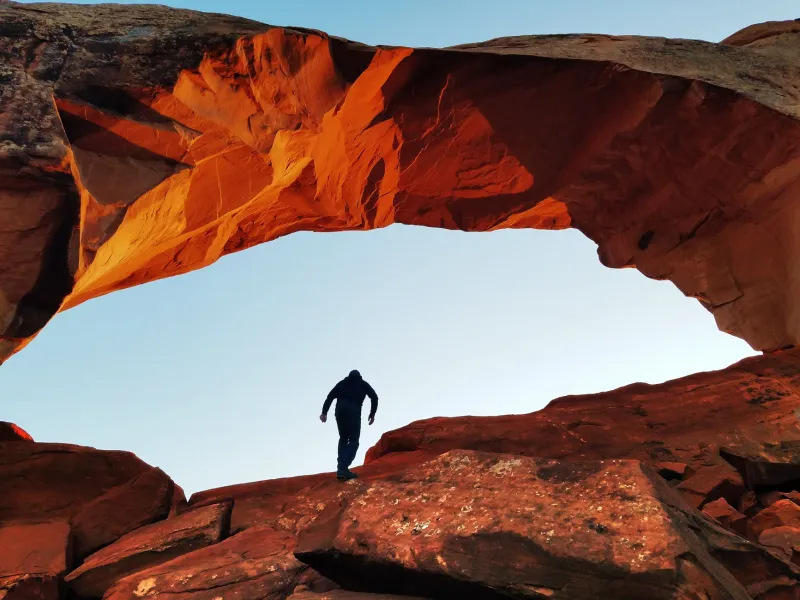
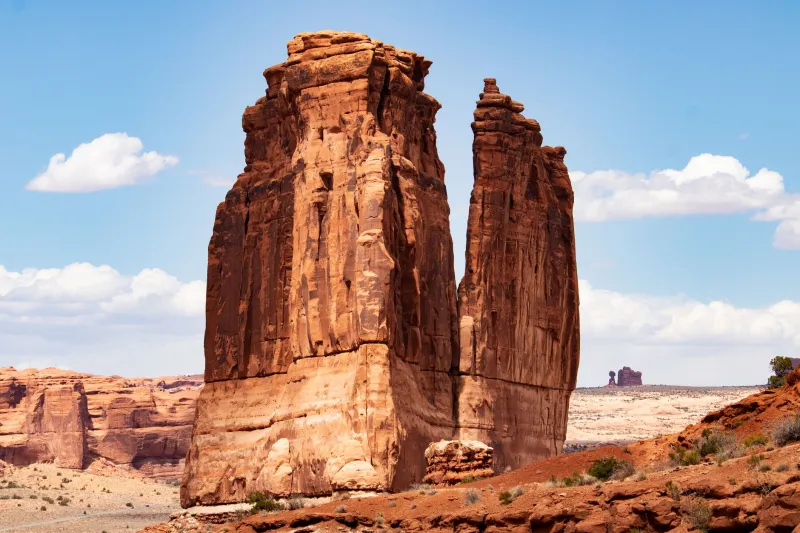
None of this is meant to discourage you. Solo travel in Utah's backcountry—whether you're working a remote cutthroat lake in the Uintas at first light or standing alone at the base of a desert tower you've been studying for two years—delivers something that's genuinely hard to replicate in any other context.
The self-reliance is addictive. The silence is different. The accomplishment is entirely yours.
Build toward it carefully, choose your objectives honestly, and respect the margins. Utah's backcountry has been waiting for you. It'll keep waiting until you're ready.