Hook, Cook, Eat: The Utah Angler's Guide to Making the Most of Your Catch
There's a moment every angler knows — that quiet stretch between reeling in a fish and deciding what to do with it. For a lot of folks, the answer is catch-and-release, and that's perfectly valid. But if you're fishing Utah's warm-water reservoirs, high-desert lakes, or canyon river systems and you're not occasionally keeping a few fish for the table, you might be missing out on one of the best parts of the whole experience.
Utah isn't exactly famous for its fishing cuisine. The state doesn't have a James Beard Award-winning fish house or a long coastal tradition of fresh-catch cooking. But that's kind of the point. The food culture around Utah fishing is raw, regional, and waiting to be explored. From walleye fillets sizzling over a camp stove at Lake Powell to catfish tacos after a late-night float on the Green River, there's a genuinely satisfying culinary world hiding inside your cooler.
Let's talk about the species worth cooking — and how to actually do it right.
Walleye: Utah's Best-Kept Secret on a Plate
If you've fished Willard Bay or Yuba Reservoir and landed a walleye, you're already sitting on gold. Walleye has a reputation in the Midwest as one of the finest freshwater table fish in North America, and Utah anglers who've discovered this are quietly keeping it to themselves.
The flesh is firm, white, and mild — almost sweet — with very little of the "fishy" flavor that turns some people off. It holds up beautifully to a simple preparation: pat the fillets dry, season with salt, pepper, and a little garlic powder, then pan-fry in butter until golden. That's it. You don't need to overthink walleye. The fish does the work.
For something a step up from camp cooking, try a walleye piccata. Dredge the fillets lightly in flour, sear them in a hot skillet with olive oil, then finish with a sauce of lemon juice, capers, white wine, and butter. Serve it over rice or with a simple green salad and you've got a dinner that would feel right at home in a nice restaurant — except you caught the main ingredient yourself, which makes it taste about 40% better.
Channel Catfish: Humble Roots, Serious Flavor
Channel catfish gets a bad rap from people who've never had it prepared well. Utah's warm reservoirs — Lake Powell, Starvation Reservoir, and Jordanelle among them — hold healthy populations of channel cats, and they're one of the most accessible fish for anglers of any experience level.
The key to great catfish is freshness and proper cleaning. Bleed the fish immediately after catching it and get it on ice. Catfish that sits around in a warm cooler develops off-flavors fast. Cleaned and iced properly, though, catfish has a mild, slightly sweet flavor with a firm texture that holds up to bold seasoning.
Southern-style cornmeal-crusted catfish is the classic move — coat the fillets in seasoned cornmeal (add cayenne, paprika, and onion powder to the mix), then fry in a cast-iron skillet with about an inch of hot oil until the crust is deep golden and crackling. Serve with coleslaw and hot sauce.
For a more Utah-specific spin, try catfish tacos with a green chile slaw. Use roasted Hatch green chiles (easy to find at most Utah grocery stores in late summer), mix them into a simple cabbage slaw with lime juice and a little mayo, and pile it onto warm tortillas with flaked fried catfish. It's a cross-cultural mashup that makes a lot of sense in a state that sits right on the culinary border between the Mountain West and the Southwest.
Striped Bass: The Reservoir Trophy That Eats Like One Too
Anyone who's tangled with a striper at Lake Powell knows these fish fight hard. What fewer people realize is that striped bass is also legitimately excellent table fare — particularly smaller fish in the 18-to-24-inch range, which tend to have better flavor than the big trophy specimens.
Striper flesh is firm and rich, with a slightly higher fat content than walleye or catfish. That fat makes it ideal for the grill. Score the skin side with a sharp knife, brush the fillets with olive oil, season generously, and lay them skin-side down on a hot grate. Let the skin crisp up without moving the fish, then flip once for just a minute or two. The result is flaky, moist, and deeply satisfying.
For a campsite-friendly version, wrap striper fillets in foil with sliced lemon, fresh herbs (thyme and dill work great), a drizzle of olive oil, and a handful of sliced vegetables. Seal the packet and lay it directly on hot coals for about 12 to 15 minutes. You've essentially steamed the fish in its own juices, and the cleanup is nonexistent — a genuine win when you're camping.
Yellow Perch: Small Fish, Big Payoff
Yellow perch might be the most underestimated fish in Utah's waters. They're small, they're abundant in places like Utah Lake and a handful of northern reservoirs, and most anglers toss them back without a second thought. That's a mistake.
Perch have sweet, delicate white flesh that's often compared to walleye — and for good reason, since they're related. The small size means you'll want to keep a few to make a meal, but the effort is worth it. A classic preparation is beer-battered perch: dip the whole small fillets in a simple batter of flour, beer, salt, and a pinch of baking powder, then fry until puffy and golden. Eat them with your hands. Dip them in tartar sauce. This is finger food at its finest, and it's the kind of casual lakeside meal that becomes a tradition.
A Few Rules for the Table
Before you start planning your shore lunch, a couple of practical notes. Always check the Utah Division of Wildlife Resources' current consumption advisories for the specific water body you're fishing. Some reservoirs carry advisories on certain species — particularly predatory fish that may accumulate mercury — so it's worth a quick check before you decide what to keep.
Also, invest in a good cooler and a sharp fillet knife. The quality of the meal starts the moment the fish comes out of the water. How you handle it between the net and the skillet matters as much as what you do in the kitchen.
The Full Experience
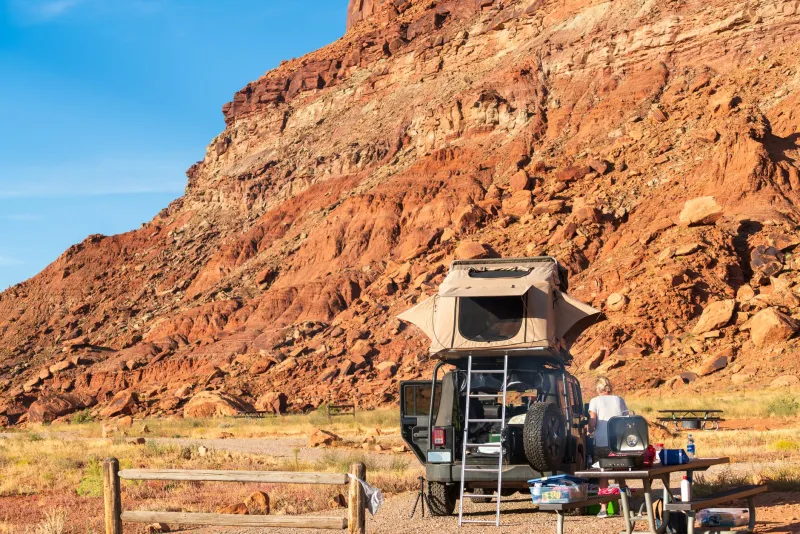
Fishing in Utah is already a pretty remarkable thing. The landscapes alone are worth the trip — red rock canyon walls dropping into reservoir water, high alpine lakes ringed by aspen, wide desert rivers moving slow and green under a big sky. But when you add a meal cooked from what you caught that day, something shifts. The trip becomes more than recreation. It becomes a complete experience, one that connects you to the place in a way that catch-and-release alone doesn't quite deliver.
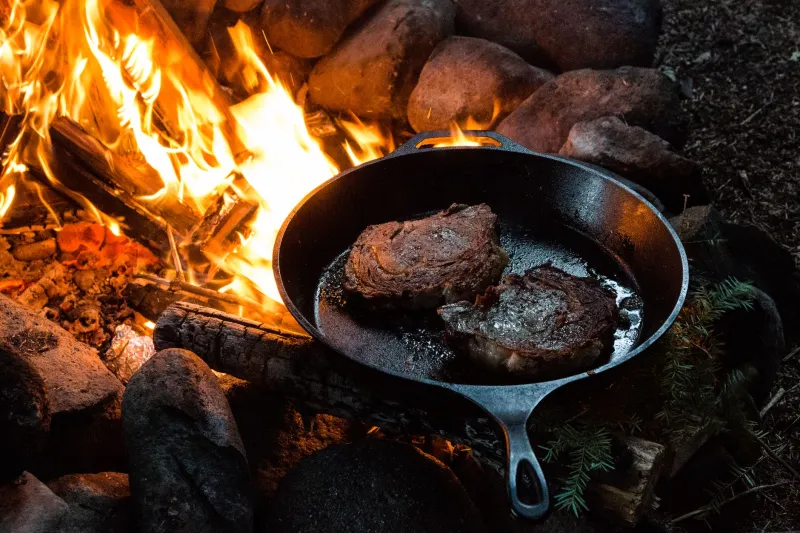
So next time you're out on the water, bring a cooler with some ice, pack a cast-iron pan, and plan to stay for dinner. Utah's fish are worth it.