Warm Water, Wild Rides: How Stripers and Unexpected Species Are Rewriting Utah's Reservoir Fishing Playbook
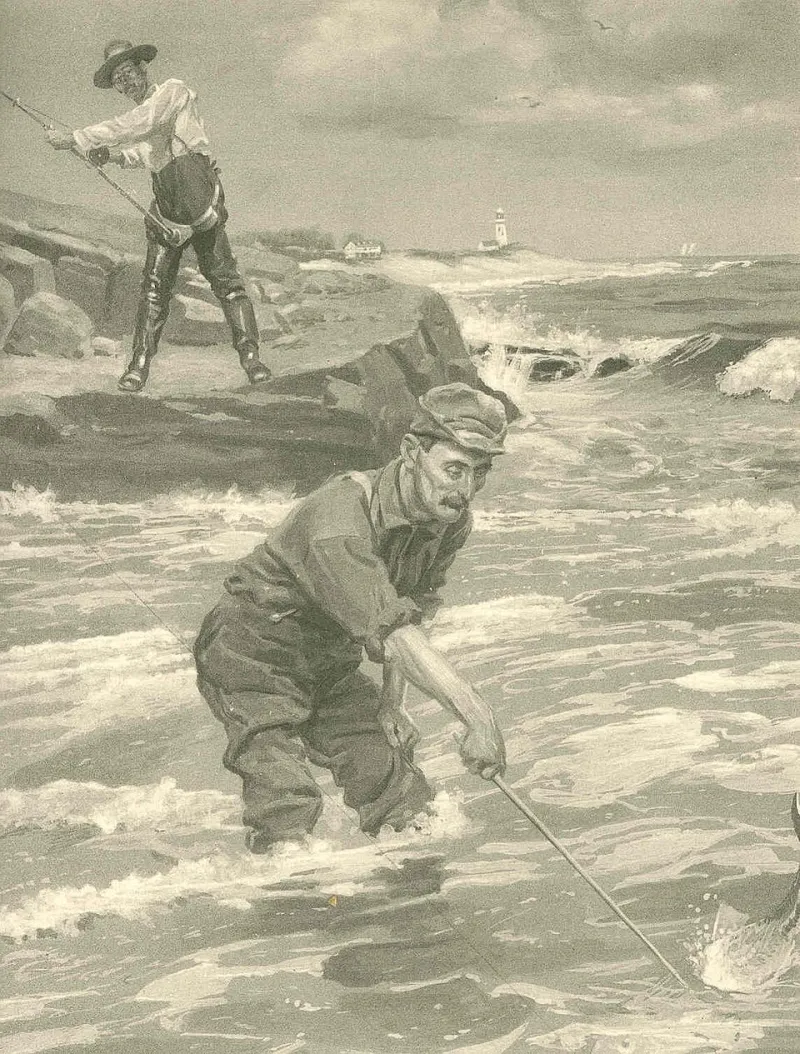
Photo: State of New York Forest, Fish, and Game Commission, Public domain, via Wikimedia Commons
Most people picture Utah fishing and land on a cold, clear mountain stream — a cutthroat rising to a dry fly, maybe a brown trout holding in a riffle. That image is real, and it's still out there. But head south, drop into the canyon country, and pull up to one of Utah's bigger impoundments, and you might find yourself fighting something that feels a lot more like a saltwater brawl than a quiet afternoon on a trout stream.
Warm-water species — striped bass, wiper (the hybrid cross between stripers and white bass), and in some cases largemouth and smallmouth bass — have been building serious populations in Utah's southern and central reservoirs for years now. The reasons are layered: intentional stocking decisions by the Utah Division of Wildlife Resources, warming water temperatures driven by broader climate trends, and the simple fact that these deep, sun-baked impoundments in canyon country create conditions that cold-water species were never really built for. The result is a fishery that's evolving fast, and anglers who figure it out early are having some genuinely wild days on the water.
Why the South End of the State Is Changing the Game
Lake Powell is the obvious headliner. Straddling the Utah-Arizona border and stretching across nearly 250 miles of flooded canyon, Powell has supported striped bass since stockings began in the late 1960s and early 1970s. What started as an experiment has become one of the most productive striper fisheries in the interior West. Fish over 20 pounds aren't uncommon, and when stripers go on a schooling binge and start blowing up shad on the surface, the action looks more like a scene off the Carolina coast than anything you'd expect in the Utah desert.
But Powell isn't alone. Lake Mead, Flaming Gorge Reservoir, and several smaller impoundments across the state have seen warm-water species take hold in ways that are reshaping what anglers target and how they approach the water. Wiper, in particular, have been stocked aggressively in reservoirs like Yuba, Willard Bay, and Starvation — and they've responded. These fish are aggressive, fast-growing, and built for open water hunting. They school like stripers, hit like freight trains, and don't give an inch once they're hooked.
Reading the Water Differently
If you're coming from a trout or fly-fishing background, the adjustment to targeting warm-water reservoir species requires a genuine mental reset. Forget about reading current seams or matching the hatch. This is about finding baitfish, understanding thermoclines, and covering water efficiently.
Stripers and wiper are pelagic hunters — they roam. In summer, they'll often suspend at depth to stay in cooler, oxygenated water, making sonar almost non-negotiable. A good fish finder that shows you depth, water temperature, and bait concentration will do more for your success than any single lure in your box. When you find shad schools stacked at 30 or 40 feet, there's a good chance stripers or wiper are somewhere below or around them.
Topwater action, when it happens, is unforgettable. Early morning and evening in late summer, schools of stripers will push shad to the surface in open coves and along cliff walls. Walk-the-dog style lures, poppers, and even large streamer flies on fast-sinking lines can all draw explosive strikes during these blitzes. The challenge is getting there fast enough — surface feeds can last five minutes or forty-five, and they move.
For deeper fish, jigging is the most consistent approach. Heavy metal jigs in the 1- to 3-ounce range, worked vertically through suspended fish, will produce throughout the day when surface activity shuts down. Match your jig color to the local shad — silver, white, and chartreuse are reliable starting points at most Utah reservoirs.
The Ecology Question Nobody Wants to Skip
It's worth pausing here, because introducing and managing non-native warm-water species in freshwater systems is genuinely complicated. Striped bass at Lake Powell have been a management challenge for decades — they're effective predators, and their impact on native fish populations, particularly humpback chub and other Colorado River species, has been a real concern for biologists and conservationists.
The Utah DWR and federal partners have worked to manage striper populations partly by keeping harvest limits generous and encouraging anglers to keep fish. That's not an accident — it's a deliberate strategy to prevent the population from overwhelming native species. If you're fishing Powell or any reservoir where stripers are present, check current regulations carefully. In some cases, there are no bag limits or minimum size requirements specifically because managers want pressure to stay high.
Wiper, by contrast, are sterile hybrids. They can't reproduce on their own, which gives managers much more control over population size. That makes them a popular stocking choice for reservoirs where the goal is to provide a quality sport fishery without the ecological risk of a self-sustaining predator population. It's a smarter tool than it might initially seem.
None of this means you should feel conflicted about targeting these fish. In most cases, keeping stripers and wiper is actively encouraged. The ecological calculus has already been run — the management framework is built around harvest, not catch-and-release.
Gear, Tactics, and Getting Out There
If you're planning a trip specifically around warm-water reservoir fishing in Utah, here's a quick practical rundown:
Rods and reels: Medium-heavy to heavy spinning or baitcasting gear in the 7- to 7'6" range handles most striper and wiper applications. You want enough backbone to work big jigs and set hooks at depth, but enough sensitivity to feel what's happening 40 feet down.
Line: Braided line in the 30- to 50-pound range with a fluorocarbon leader is a solid all-around setup. Braid gives you the sensitivity and low stretch you need for deep jigging; fluoro keeps things less visible in clear reservoir water.
Launch points and access: Lake Powell's Wahweap Marina near Page, Arizona is the most developed entry point, but Bullfrog and Halls Crossing on the Utah side offer solid access with less traffic. Willard Bay State Park near Ogden is a short drive from the Wasatch Front and a great starting point for wiper. Yuba Reservoir, south of Nephi off I-15, is another underrated option that's seen consistent wiper action in recent years.
Timing: Late spring through early fall is prime time. Water temperatures in Utah's southern reservoirs can push into the upper 70s and low 80s by July — ideal for warm-water species. Early morning topwater action peaks in August and September when shad are abundant and fish are actively feeding near the surface.
The Fishery Is Changing — Keep Up
Utah's reservoir fisheries are in flux in ways that are genuinely exciting if you're willing to adapt. The days of thinking about these impoundments purely as trout-and-walleye water are fading fast in the southern half of the state. What's replacing that picture is something more dynamic, more diverse, and honestly more demanding — in a good way.
Bringing saltwater instincts to a landlocked desert reservoir sounds strange until you're watching a school of stripers blow up the surface against a backdrop of red canyon walls. Then it makes perfect sense. Utah keeps surprising people. That's kind of the whole point.