Natives on the Rise: Utah's Cutthroat Trout and the Fight to Bring Them Home
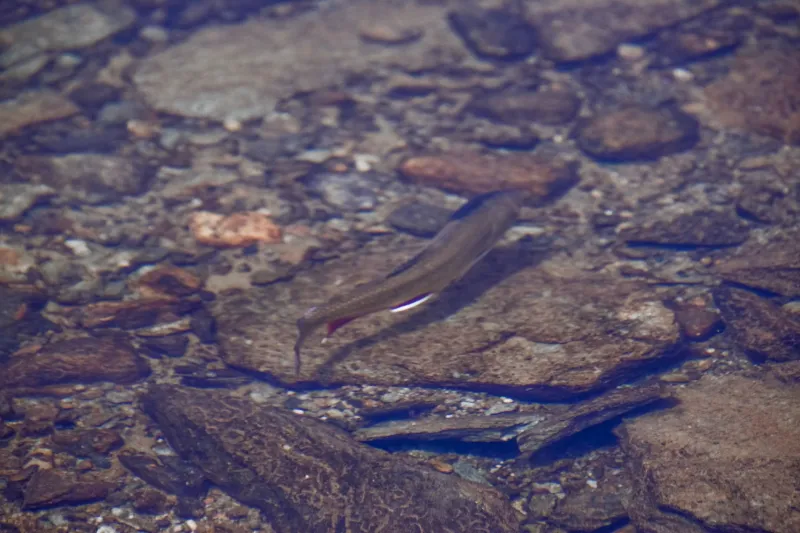
There's something different about catching a native cutthroat. It's not just the orange slash marks along the jaw or the way they explode out of a riffle when a dry fly lands just right. It's knowing that this particular fish—this exact species—has been swimming these exact drainages since long before anyone thought to name them. That history matters, and for a long time, it was disappearing.
Utah's native cutthroat trout populations took a serious hit over the last century. Habitat loss, water diversion, overharvest, and the widespread introduction of non-native species—brown trout, brook trout, rainbow trout—pushed many native populations to the margins. Some subspecies came dangerously close to blinking out entirely. But over the past few decades, fisheries managers, conservation groups, and engaged anglers have been quietly pulling off something remarkable: bringing the cutthroat back.
Why Cutthroat Trout Matter Beyond the Catch
Before we get into where to fish and how to help, it's worth understanding why these fish are worth fighting for in the first place.
Cutthroat trout are what biologists call an indicator species. Their presence—or absence—tells you a lot about the overall health of a watershed. They need cold, clean, well-oxygenated water to thrive. When cutthroat populations are strong, it's usually a sign that the surrounding ecosystem is functioning the way it should: riparian vegetation intact, streambanks stable, water temperatures in check.
They're also deeply tied to Utah's cultural and ecological identity. The Bonneville cutthroat, the Colorado River cutthroat, and the Bear River cutthroat are all subspecies native to specific drainages within the state. Each one evolved in isolation over thousands of years, developing subtle genetic differences that make them uniquely adapted to their home waters. Losing any one of them isn't just an ecological loss—it's an irreversible one.
Where the Restoration Work Is Happening
Utah's Division of Wildlife Resources (DWR) has been running cutthroat restoration projects across the state for years, often in partnership with groups like Trout Unlimited and the Native Fish Conservation Areas program.
Some of the most significant work is happening in the Uinta Mountains, where high-elevation lakes and streams provide ideal habitat for Bonneville and Colorado River cutthroat. Restoration here has involved removing non-native fish from isolated drainages—a process that sounds simple but requires serious logistical coordination—then restocking with genetically pure native cutthroat. Early results have been encouraging. Populations in several Uinta streams that were functionally wiped out a generation ago are now self-sustaining.
Down in the canyon country of southern Utah, Colorado River cutthroat restoration is underway in several smaller tributary streams feeding into the Colorado River system. These fish face different pressures than their high-elevation cousins—warmer water, more sediment, heavier competition from non-natives—but targeted habitat work and careful stocking are starting to show results.
The Bear River drainage in northern Utah is another active front. The Bear River cutthroat, once considered extirpated from much of its historic range, has been the focus of collaborative efforts involving multiple states, tribal partners, and federal agencies. Small headwater streams that were once empty are now holding fish.
How Fishing in Recovery Zones Actually Helps
Here's the part that surprises a lot of anglers: visiting these recovery areas as a responsible fisher is genuinely good for conservation, not at odds with it.
Managed catch-and-release fisheries in restoration zones generate real economic value that justifies continued investment in recovery work. When anglers buy fishing licenses, those dollars flow directly into DWR's fisheries management budget. Special fishing regulations in sensitive areas—slot limits, single barbless hook requirements, catch-and-release only stretches—are designed to let people engage with these fish while minimizing impact on vulnerable populations.
There's also a less tangible but equally important benefit: people protect what they love. The more anglers who experience the thrill of landing a wild, native cutthroat in a remote Utah stream, the larger the constituency that shows up to public comment meetings, supports conservation legislation, and pushes back when water rights or development threaten critical habitat.
Trout Unlimited's Utah council runs volunteer habitat restoration days throughout the season—think streambank stabilization, riparian planting, and in-stream structure work. Showing up for one of these events is a direct way to give back to the waters you fish.
Tips for Fishing Utah's Cutthroat Recovery Streams Responsibly
If you're planning a trip specifically to fish for native cutthroat, a little preparation goes a long way toward making sure your visit helps rather than hurts.
Check current regulations carefully. Recovery streams often have special rules that differ from standard Utah fishing regulations. The DWR's online regulation lookup tool is your best friend here. Rules can vary by drainage, by season, and even by specific stream section.
Use barbless hooks. Even where it's not required, crimping your barbs makes releasing fish faster and less stressful. Native cutthroat in recovery areas are too valuable to risk unnecessary handling time.
Keep fish wet. If you want a photo, have your camera ready before you lift the fish out of the water. A quick, low-angle shot with the fish partially submerged is better for the fish and honestly looks better anyway.
Watch where you wade. Many cutthroat streams have active redds—spawning beds—during spring and early summer. Stepping on them can destroy an entire season's worth of reproduction. Learn to recognize the clean, fanned gravel that indicates a redd and give it a wide berth.
Pack it out. This one's obvious, but it bears repeating. Remote restoration streams don't have trash service. Leave them cleaner than you found them.
The Bigger Picture
Utah's cutthroat restoration story is still being written. There are setbacks—drought years that push water temperatures into dangerous territory, the occasional illegal stocking of non-native fish, funding gaps that slow project timelines. But the trajectory is positive in a way it hasn't been in a long time.
For anglers, that's genuinely exciting news. The chance to fish for wild, native cutthroat in waters where they were absent a decade ago is a privilege that didn't exist for the generation before us. Treating it like one—following the rules, supporting the organizations doing the work, telling your fishing buddies why it matters—is how we make sure the generation after us gets that same opportunity.
Cast a line in the right stream this season and you're not just fishing. You're voting with your waders for a Utah where native fish belong, and where the waters that shaped them are healthy enough to keep them around.