Pack Light, Fish Far: The Minimalist Angler's Guide to Utah's Backcountry Waters
Photo: ultralight fly fishing remote alpine lake Utah backcountry wilderness, via www.50states.com
There's a particular kind of suffering that comes from hauling a fully loaded fishing pack up a switchback trail in the Uintas at 11,000 feet. Your shoulders are screaming, your knees are negotiating, and somewhere around mile four you start doing mental math on which lures you could have left in the truck. Most of us have been there.
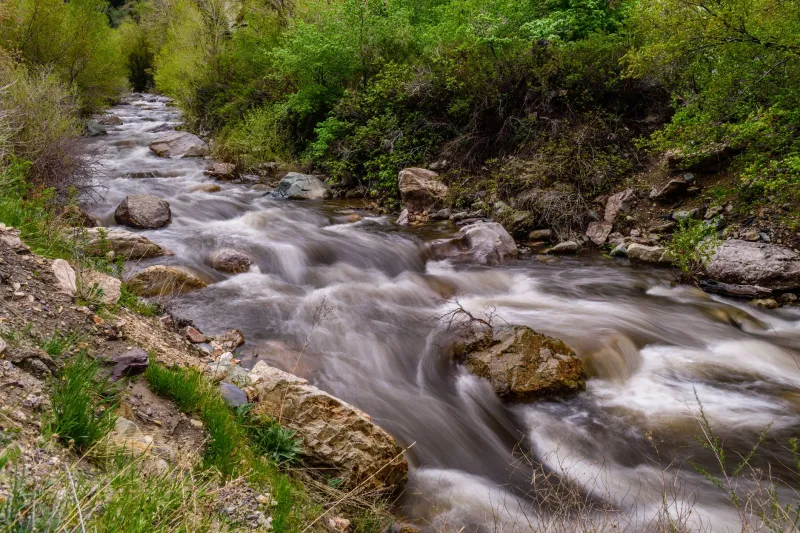
The good news? You don't have to earn your fish with a bad back. Ultralight backcountry fishing is a legitimate discipline, and Utah might be the best place in the country to practice it. From the alpine lakes of the High Uintas Wilderness to the spring-fed pools tucked inside remote canyon drainages, the state rewards anglers who travel smart and move fast.
Here's how to get there lighter — and still catch fish.
The Mindset Shift Comes First
Traditional fishing gear culture is built around abundance. Tackle boxes with forty compartments. Rod tubes for every scenario. A net you could land a small shark in. That philosophy works great when you're rolling up to Strawberry Reservoir with a truck and a cooler. It falls apart fast when you're looking at a nine-mile round trip to a lake that doesn't show up on most maps.
Ultralight backcountry fishing starts with a different question: What's the minimum I need to actually catch fish here? Not what's ideal. Not what covers every contingency. Just the floor-level kit that gets the job done on moving water or a remote alpine lake.
Once you accept that framing, the gear decisions get a lot easier.
Rod and Reel: Go Shorter, Go Lighter
A 9-foot, 5-weight fly rod is a fantastic piece of equipment — for a lot of situations. Bushwhacking into a tight slot canyon drainage or threading through willows along a backcountry stream isn't one of them. For Utah's more technical access routes, a 7-foot or 7.5-foot 3-weight or 4-weight rod is a genuine upgrade. Less weight, easier transport, and more than enough backbone for cutthroat and brook trout in remote waters.
If you're not a fly angler, an ultralight spinning setup in the 5-to-6-foot range paired with a compact reel loaded with 4-pound monofilament or light braid covers almost everything you'll encounter in Utah's high country. Companies like Fenwick, St. Croix, and Okuma all make sub-3-ounce rods that pack down small and handle real fish.
Consider a multi-piece rod — four-piece or even six-piece travel designs — that fits inside your pack rather than sticking out above your head. That extra foot of rod waving around on a narrow trail gets old fast.
Tackle: The 20-Piece System
Here's a challenge worth taking seriously: limit yourself to 20 terminal tackle items total. It sounds extreme until you actually think about what Utah's backcountry fish are eating.
For fly anglers working high alpine lakes and small streams, a rotating selection of elk hair caddis, parachute adams, pheasant tails, hare's ears, and a handful of small streamers covers the vast majority of situations. Tie them in sizes 14 through 18 and you're genuinely prepared for most of what Utah's native and wild trout will chase.
Spin anglers can build an equally compact system around small inline spinners (Panther Martins and Mepps in sizes 0 and 1 are legendary in Utah's backcountry), a few small rooster tails, and a handful of micro jigs. Carry them in a flat waterproof fly box rather than a bulky tackle tray — the weight and space savings add up fast.
Leave the bait rigs at home. Many of Utah's more sensitive backcountry fisheries are catch-and-release only, and even where bait is legal, the logistics of keeping live bait alive on a long hike rarely make sense.
Line, Leaders, and the Small Stuff
This is where ultralight anglers often leave weight on the table. A full spool of fly line plus backing plus two spare spools adds up. For backcountry trips, a single reel loaded with a weight-forward floating line handles 90 percent of high-country situations. Bring one spare leader and a small tippet spool — 5X and 6X cover most scenarios — and leave the rest in the truck.
For spin gear, a small spool of spare monofilament (maybe 50 yards) tucked in a zip-lock bag weighs almost nothing and covers you if you lose line to a snag or a bigger-than-expected fish.
A compact pair of forceps, a small pair of nippers, and a single hook file round out the kit. Skip the tackle bag entirely — a flat fly box and a small zip-lock bag handle everything.
Catch-and-Release Ethics When You're Miles Out
One thing the backcountry demands is extra care on the release. When you're far from civilization, the fish you're catching in a remote lake or stream often represent a fragile, self-sustaining population with limited outside support. Utah's Division of Wildlife Resources has done significant work restoring native Bonneville cutthroat and Colorado River cutthroat populations in remote drainages — fish that took years of effort to establish.
Barbless hooks or crimped barbs make a real difference in release survival. Keep fish in the water as much as possible, wet your hands before any contact, and avoid rocky or dry bank surfaces during the unhooking process. In high alpine lakes where water temperatures stay cold, fish typically recover well from a careful release. In warmer canyon creek environments during summer, be quicker and more deliberate — warm water holds less oxygen and stressed fish need every advantage.
Carry a small, lightweight rubber-mesh net rather than a knotted nylon one. The rubber mesh is dramatically gentler on fish slime coats and scales, and the compact folding designs available now weigh just a few ounces.
Moving Through the Landscape
One of the real pleasures of ultralight backcountry fishing is how it changes your relationship with the terrain. When you're not weighed down, you actually move through the landscape instead of grinding through it. You can cover more water, explore more drainages, and respond to what you're seeing rather than committing to one spot because you're too tired to move.
In Utah's slot canyon systems, that mobility is almost a requirement. Narrow passages, keeper potholes, and scrambling sections mean that anything bulky or snaggable is a liability. A compact daypack in the 20-to-25-liter range with your rod broken down inside or strapped flat against the back panel keeps you moving through technical terrain without sacrificing your gear.
Build your water and food system around the same ultralight principles. A filter straw or compact squeeze filter, a single titanium mug, and high-calorie snacks over a heavy cooler setup means you're not rationing miles based on what you're carrying.
The Real Reward
Ultralight backcountry fishing in Utah isn't really about the gear — it's about access. The lakes that don't see another angler for weeks. The canyon pools where a 14-inch cutthroat hits a dry fly like it's never been fooled before. The kind of fishing that reminds you why you started doing this in the first place.
Strip the kit down. Put in the miles. The fish are out there waiting.