Chaos and Opportunity: How to Fish and Climb Utah When Snowmelt Takes Over
Every spring, Utah pulls the same trick. The snow starts moving, the rivers swell past their banks, and a whole lot of anglers and climbers look out at the mess and decide to wait it out on the couch. That's understandable. It's also a mistake.
Spring runoff in Utah isn't a shutdown — it's a reshuffling. The water gets weird, the rock gets wet, and the margins for error shrink. But for the people willing to read the conditions carefully and adjust their game, this is one of the most productive stretches of the entire outdoor calendar. You just have to know what you're actually dealing with.
What Runoff Actually Does to a River
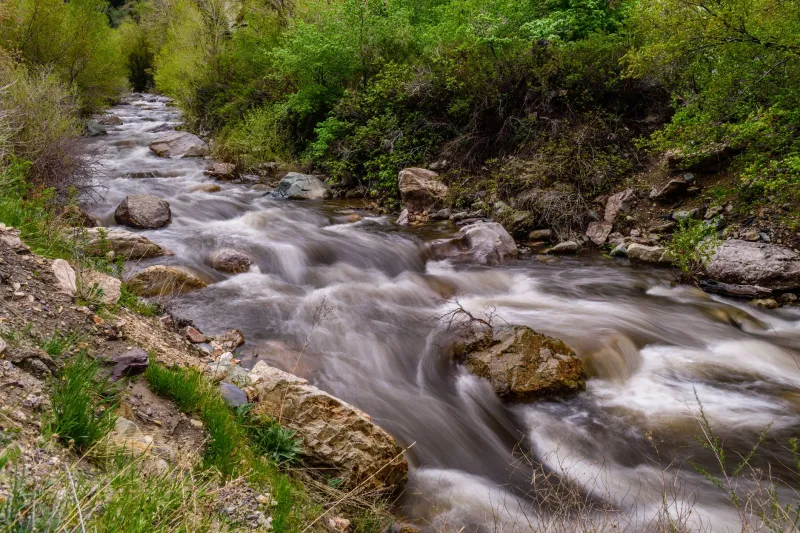
Most anglers picture a swollen spring river as a single thing: too much water, too fast, end of story. But that framing misses a lot of nuance. When snowmelt pours into a drainage, it doesn't just raise the water level — it reorganizes the entire hydraulic structure of the river.
Seams shift. Eddies that sit tight against the bank in late summer suddenly blow out into the main current. Deep pools that hold fish all winter get scoured and temporarily vacated. Meanwhile, new structure appears — flooded vegetation edges, submerged boulders that barely existed at low water, and slack-water pockets that form behind streamside debris.
The fish don't disappear during runoff. They relocate. And finding them requires you to stop fishing where you know fish usually live and start fishing where the water is actually giving them shelter and food right now.
On Utah rivers like the Green, the Provo, or the upper tributaries of the Colorado drainage, spring flows can jump from a few hundred cubic feet per second to several thousand in a matter of days. That's a completely different river. The anglers who do well in those conditions are the ones who've trained themselves to read current breaks in high-water scenarios — not just the ones they memorized from summer trips.
The Feeding Window Nobody Talks About
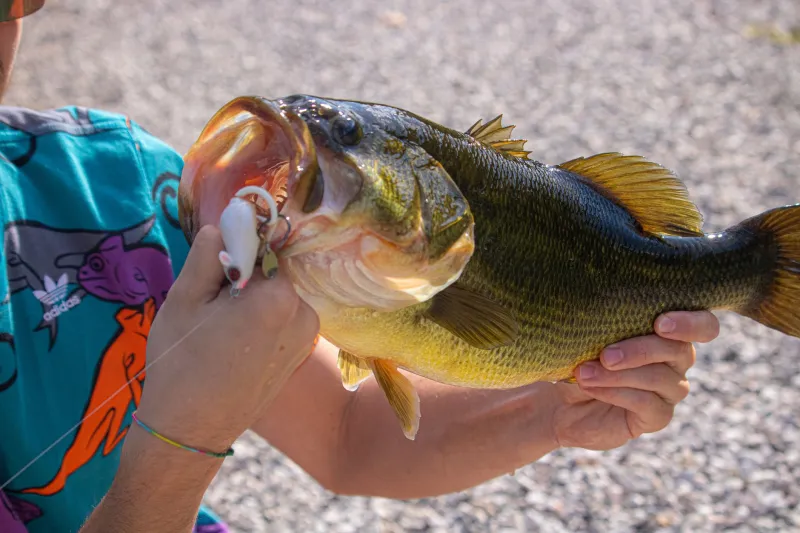
Here's the counterintuitive part: runoff season is actually one of the best times to target native cutthroat trout in Utah.
As water temperatures creep up from winter lows and the river carries a heavy load of dislodged invertebrates, worms, and organic material, cutthroat — especially Bonneville and Colorado River cutthroat — go into aggressive feeding mode. They're not being picky. They're loading up after a long, lean winter, and the turbid water gives them cover to move into shallower, faster water without feeling exposed.
The key is timing your trips to the transition windows. Peak runoff — when the river is running coffee-brown and blowing out — is genuinely tough to fish. But the days just before the crest and especially the few days after the crest, when flows are dropping and clarity is starting to return, are electric. That clearing phase is when fish are still fired up from the feeding frenzy but the water is fishable again.
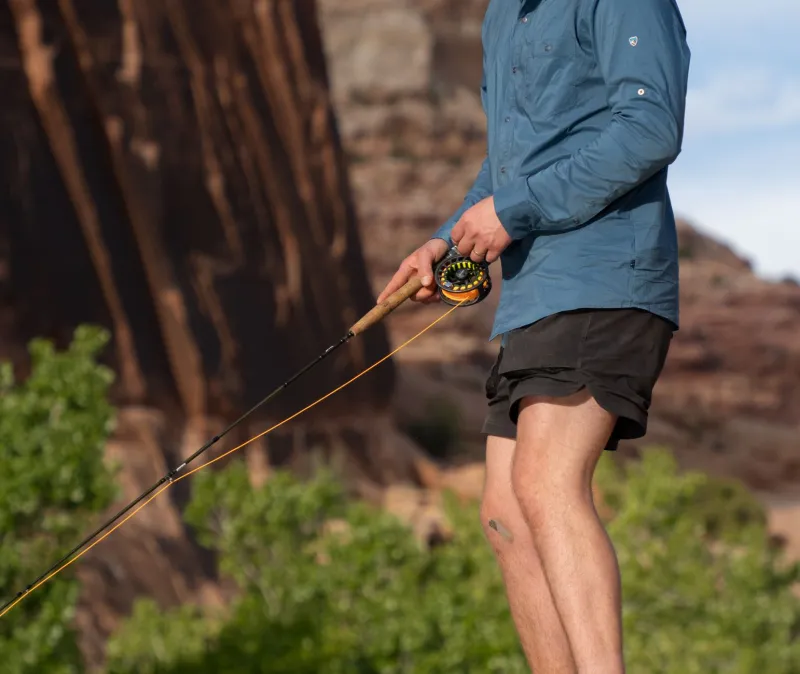
Streamer fishing absolutely shines during this window. Big, heavy flies that cut through off-color water and trigger reaction strikes are the move. Olive and rust-colored patterns that mimic sculpin or large stonefly nymphs work well. If you're a dry fly purist, your time is coming — but in early runoff, get the streamer rod out.
Reading the Rock After the Melt
This is where Utah's spring paradox gets really interesting for the climbing crowd. Runoff doesn't just affect the rivers. It seeps into crack systems, saturates desert sandstone, and turns familiar climbing areas into technical puzzles.
Sandstone — which dominates so much of Utah's iconic climbing terrain in places like Indian Creek, the Fisher Towers, and the Zion backcountry — is notoriously vulnerable to water damage. Wet sandstone is weaker than dry sandstone, and climbing on saturated rock can cause micro-fractures in holds, break off edges, and accelerate erosion in ways that permanently alter a route. The rule of thumb in the desert climbing community is simple: if it rained or snowed recently, wait. The standard recommendation is at least 24 to 48 hours of dry weather before getting on sandstone, and longer if the rock was deeply saturated.
That said, spring in Utah also does something constructive for climbing. Flash floods and high-water events flush debris from canyon floors, strip away loose rock from wall faces, and occasionally expose new features that weren't climbable before. Some of the freshest crack systems in the desert come courtesy of a good spring cycle. The work is in knowing which crags are dry and ready versus which ones are still weeping moisture from a week ago.
Limestone and granite areas — think the Wasatch or the limestone sport crags around Maple Canyon — tend to dry out faster and are often climbable earlier in spring than the desert sandstone zones. If you're itching to get on rock before the desert dries out, those are worth the drive.
Practical Strategies for Navigating the Season
Spring in Utah rewards preparation more than any other time of year. A few things that make a real difference:
Check flow data obsessively. The USGS National Water Information System gives you real-time stream gauge readings for most of Utah's major drainages. Learn the gauge that corresponds to the stretch you want to fish and watch how flows trend over several days. A dropping trend after a crest is your green light.
Build flexibility into your trip. Spring conditions can change overnight. If you're planning a multi-day fishing road trip, have two or three target rivers in mind at different elevations. Lower elevation drainages in southern Utah often run earlier and clear faster than the high-elevation northern systems, which can stay blown out into June.
Fish the edges, not the middle. In high water, the main current is often too powerful and too turbid to be productive. The fish are tucked into every available slack-water pocket — behind boulders, along flooded willows, in the inside bends of meanders. Work the margins.
For climbing, use the down days. Spring weather in Utah is notoriously fickle. Build rest days into your climbing trip and treat them as reconnaissance days — scout approaches, check rock conditions, and identify which walls are drying fastest. The climbers who get the most out of spring are the ones who stay patient and wait for the right conditions rather than forcing it.
The Season That Separates Good from Great
Spring runoff is Utah's great equalizer. It humbles the angler who only knows one way to fish a river and rewards the one who can adapt. It stops the climber who won't check conditions and opens up the desert to the one who does their homework.
The chaos is real — but so is the opportunity. If you can sit with the discomfort of an unfamiliar river or a wet crag for a few extra days, what's waiting on the other side of that patience is some of the best outdoor experience Utah has to offer all year. The snowmelt doesn't care about your plans. But it does reward the people willing to work with it.