Bass Are Back: How Utah's Reservoirs Quietly Became Trophy Largemouth and Smallmouth Destinations
Ask most people to picture Utah fishing and they'll conjure images of a fly rod arching over a mountain stream, a cutthroat trout rising through gin-clear water. Fair enough. Utah's trout fisheries are legendary. But somewhere in the background — on the sun-baked reservoirs, in the rocky coves, along the boulder-strewn shorelines that most anglers drive right past — something remarkable has been happening.
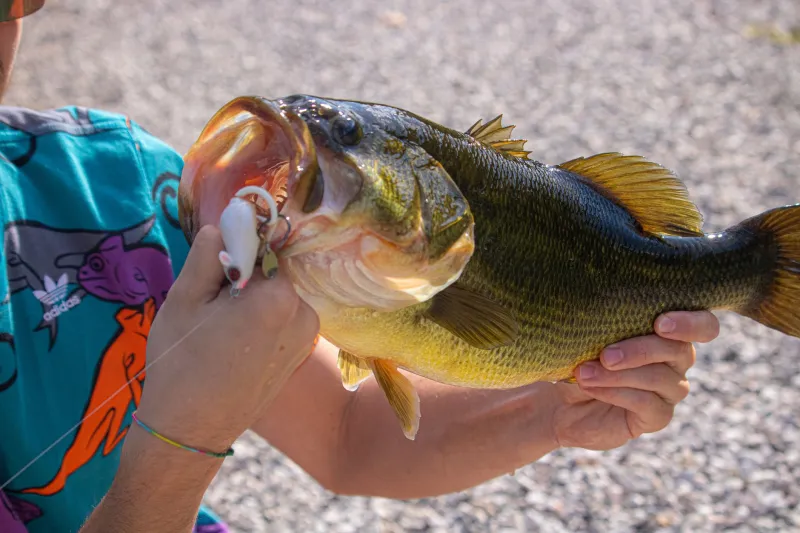
Bass are thriving. Not just surviving, but genuinely thriving. Largemouth pushing past the six-pound mark. Smallmouth that will strip line off a spinning reel before you can react. And fisheries that, ten years ago, barely registered on anyone's radar are now drawing serious tournament anglers and trophy hunters from across the country.
This is the bass comeback story Utah never fully told.
The Numbers Don't Lie
Talk to anyone at the Utah Division of Wildlife Resources and they'll tell you the shift has been measurable and real. Electrofishing surveys conducted across several key reservoirs have documented consistent population growth in both largemouth and smallmouth bass over the past decade — not just in raw numbers, but in average size and age class diversity, which tells biologists that fish are surviving long enough to reach trophy proportions.
"What we're seeing is a maturing fishery," says one DWR fisheries biologist who's worked Utah's reservoir systems for over fifteen years. "The conditions aligned — water temperature stability, forage base, habitat — and the fish responded. These aren't stocked trophy fish. These are wild populations that found their footing."
A big part of that forage base story centers on shad. As threadfin and gizzard shad populations established themselves in several Utah reservoirs through the 2010s, bass had access to a high-calorie food source that accelerated growth rates dramatically. Combine that with relatively low fishing pressure compared to bass lakes in Texas or the Southeast, and you've got the recipe for big fish that haven't been educated by a thousand lures.
The Reservoirs Leading the Charge
Not every body of water in Utah tells the same story, but a handful of reservoirs stand out as the engines of this resurgence.
Starvation Reservoir, tucked into the Duchesne River drainage in the Uinta Basin, has become something of an open secret among smallmouth hunters. The rocky structure, clear water, and consistent forage have produced smallmouth bass in the three-to-four-pound range with regularity — fish that hit hard, fight harder, and make you question every light-tackle setup you brought.
Yuba Reservoir in central Utah has surprised even local guides with its largemouth growth. The shallow, weedy flats that once seemed like marginal bass habitat have turned into ambush zones where big largemouth stack up during the warmer months. Topwater fishing here in late spring can be genuinely explosive.
Flaming Gorge Reservoir, straddling the Utah-Wyoming border, remains the crown jewel for smallmouth. Depths, structure, and water clarity combine to create ideal conditions, and fish in the four-to-five-pound range are no longer shocking. The Gorge has developed a devoted bass following that runs parallel to its well-known trout scene — two completely different fisheries sharing the same water.
Lake Powell, despite its complicated recent history with water levels, still holds significant bass populations in its upper arms and canyon coves. Smallmouth, in particular, have adapted to the rocky canyon walls and continue to produce for anglers willing to explore.
What the Guides Are Saying
Local fishing guides who work these waters have watched the transformation up close, and most of them are cautiously enthusiastic — cautious because they know what happens when a sleeper fishery gets too much attention too fast.
"I've had clients drive past these reservoirs their whole lives to go fish a trout stream," says one Uinta Basin guide who splits his time between smallmouth and walleye. "Now I'm getting calls specifically for bass. That didn't happen five years ago."
The techniques that are working aren't complicated, which is part of the appeal. Drop shots and ned rigs for finicky smallmouth in clear water. Swimbaits and shallow crankbaits along rocky points in the early morning. Topwater frogs and hollow-body lures in the weedy shallows at Yuba when largemouth are feeding on the surface. These are approachable tactics that don't require a tournament-level setup or years of specialized experience.
"The fish aren't pressured," the guide adds. "You can make mistakes and still get bites. That's rare anywhere these days."
The Management Decisions That Made It Happen
This didn't occur by accident. The DWR has made deliberate choices over the past decade that created the conditions for bass populations to grow. Adjusted harvest regulations on several reservoirs — including slot limits designed to protect mid-size fish and allow them to reach trophy class — have played a meaningful role. So has habitat work: riprap additions, fish attractor structures, and careful monitoring of water quality.
The division has also been intentional about not over-stocking competing species in reservoirs where bass were showing signs of natural recruitment success. That restraint matters. Letting wild populations develop their own momentum produces more resilient fisheries than constant put-and-take management.
"We're not trying to turn every Utah reservoir into a bass tournament destination," the biologist notes. "But we do want anglers to know there are legitimate opportunities here that didn't exist a generation ago."
Getting Out There Before the Word Spreads
Here's the honest truth about Utah's bass fishing right now: it's in that golden window. The fish are big, the pressure is relatively low, and the infrastructure — boat ramps, campgrounds, nearby services — is solid enough to make a dedicated bass trip practical without requiring serious expedition planning.
Spring is the prime window. As water temperatures climb into the high 50s and low 60s, bass move shallow to spawn and feed aggressively. Starvation and Flaming Gorge tend to warm a bit later than Yuba, so a savvy angler can chase the spawn across multiple reservoirs throughout May and into June.
Fall is the sleeper season. As water cools and baitfish school up, bass gorge before winter. The crowds are gone, the weather is manageable, and the fish are hungry. October at Yuba or Starvation can produce some of the best bass fishing of the year with almost no company on the water.
Bring a spinning rod and a baitcaster if you can. Light line and finesse tactics for clear-water smallmouth. Heavier setups for largemouth in the weeds. A handful of drop shots, some ned rigs, a topwater or two, and a swimbait. You don't need a truck full of tackle — you need to show up.
A Fishery That Earned Its Moment
Utah's bass weren't handed a trophy reputation. They built it slowly, over a decade of population growth, ecological alignment, and thoughtful management. That kind of comeback deserves attention — and it deserves anglers who will treat these fisheries with the same respect they'd give a blue-ribbon trout stream.
Cast off from the boat ramp. Work the rocky points. Watch the topwater explode in the early morning light. Utah's bass are ready. The only question is whether you are.